

Tenzin Nyidon
DHARAMSHALA, May 4: The U.S. House Appropriations Committee, in its fiscal year 2027 report, has called on the U.S. Department of State to press the government of Nepal to safeguard the rights of Tibetan refugees. The committee specifically urged renewed advocacy for the registration of all Tibetan refugees, many of whom have remained without legal status since the process was halted in 1995.
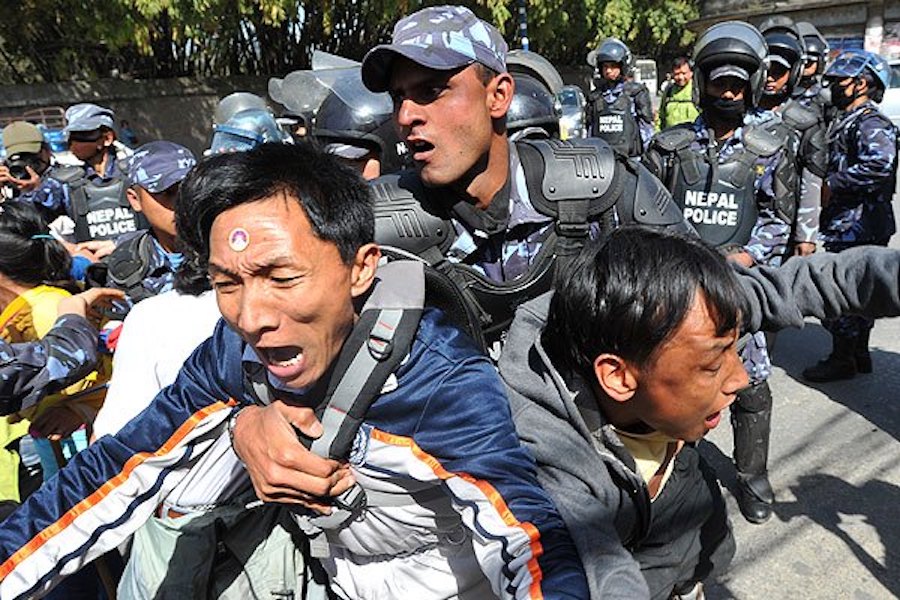
The report expressed “growing alarm” over the expanding influence of the People’s Republic of China in Nepal, warning that it has heightened the vulnerability of Tibetans in the country. This, the committee noted, has resulted in increasing restrictions on fundamental rights, including limitations on religious and cultural expression.
In its recommendations, the committee directed that funding for Tibetan refugee assistance in Nepal and India be maintained at levels consistent with previous years to ensure sustained humanitarian support. The United States has historically allocated significant resources to Tibetan communities while also seeking to counter what it describes as “malign influence” in the region.
Under the Consolidated Appropriations Act, 2026, approximately $23 million was earmarked for Tibet-related initiatives. In July 2025, the State Department reinstated $6.8 million in aid for Tibetan communities across South Asia, including Nepal, following earlier funding reductions.
For FY2027, the committee outlined continued financial support, including $10 million for cultural preservation efforts inside Tibet and $8 million for refugee and diaspora programs in India and Nepal.
The committee further urged the Secretary of State to press Nepal to uphold its commitments to the United Nations High Commissioner for Refugees, particularly adherence to the principle of non-refoulement, which prohibits the return of individuals to countries where they may face persecution.
“The Committee supports continued funding to assist Tibetan refugees in India and Nepal at levels commensurate with prior years. The Committee remains concerned that Tibetans living in Nepal are restricted from enjoying certain basic rights resulting from agreements in recent years between the governments of Nepal and the PRC, which has resulted in increased vulnerability for Tibetans both within and transiting through Nepal,” the report stated.
The development follows concerns raised by Samir Paul Kapur, Assistant Secretary of State for South and Central Asian Affairs, who during his April 20–22 visit to Kathmandu highlighted the challenges faced by Tibetan refugees and urged the Nepalese government to strengthen protective measures amid ongoing humanitarian concerns.

