

Tenzin Nyidon
DHARAMSHALA, June 2: All six nominees for ministerial positions passed the floor test during the first session of the 18th Tibetan Parliament-in-Exile on Tuesday. Central Tibetan Administration (CTA) President Penpa Tsering’s newly formed Cabinet, the executive branch of the Tibetan government-in-exile will assume office following the swearing in ceremony scheduled for Wednesday.
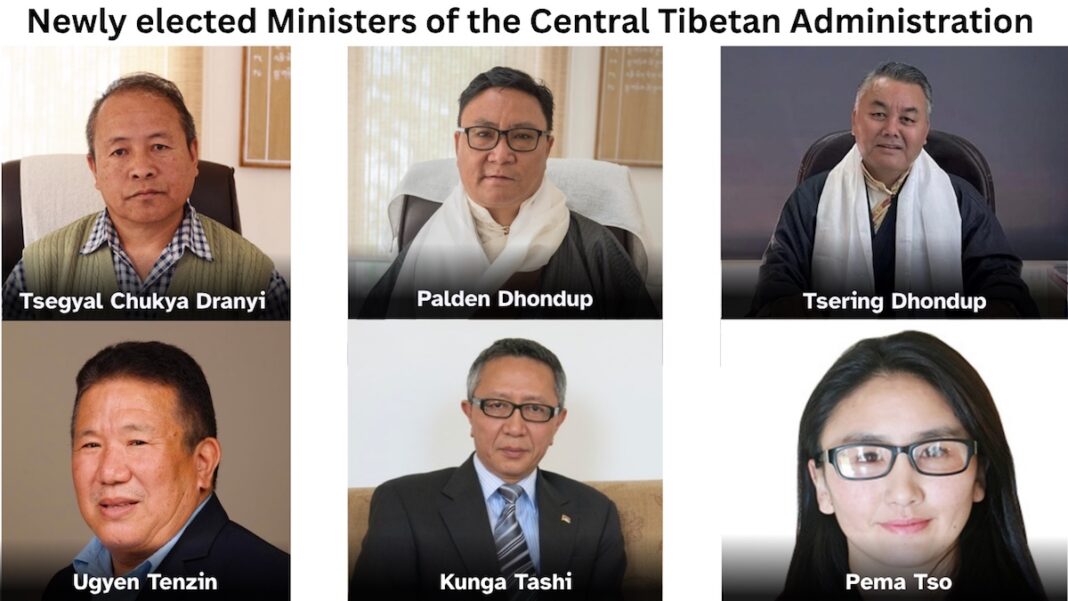
During the first day of the two-day session, 44 of the 45 members of parliament cast their votes through a secret ballot, electing Tsegyal Chukya Dranyi, Cabinet Secretary; Palden Dhondup, Secretary of the Department of Home; Tsering Dhondup, Secretary of the Department of Finance; Ugyen Tenzin, former parliamentarian and former Bureau Chief of the Tibetan Service at Voice of America (VOA) in Dharamshala; Kunga Tashi, former Chinese Liaison Officer at the Office of Tibet in North America; and Pema Tso, a member of the 18th Tibetan Parliament-in-Exile and editor at Tibet Times, as ministers of the 17th Cabinet.
Of the six ministerial nominees, five were elected through a floor vote in the House, while one received unanimous approval from all members present. Tsegyal Chukya Dranyi was elected with 30 votes in favour and 14 against. Palden Dhondup, secured unanimous endorsement without a single vote in opposition. Tsering Dhondup, received 33 votes in favour and 11 against. Ugyen Tenzin was elected with 24 votes in favour and 20 against. Kunga Tashi, secured 29 votes in favour and 15 against, while Pema Tso received 30 votes in favour and 13 against.
Under Article 20 of the Charter of the Tibetans in Exile, the Cabinet shall comprise of one President and no more than seven Cabinet Ministers. With President Penpa Tsering nominating six ministers for the CTA’s seven departments, he is expected to retain charge of one departmental portfolio.
The CTA President Penpa Tsering, will assign the responsibilities and departmental portfolios for each minister in accordance with Article 28(2) of the Charter of the Tibetans in Exile. The portfolio allocations are expected to be announced on June 3, when the six newly elected ministers of the 17th Cabinet will be sworn into office by Chief Justice Commissioner Yeshi Wangmo at the Sikyong Hall.
The session also deliberated on an official solidarity resolution on the situation inside Tibet, introduced by MP Tenpa Yarphel and supported by fellow MP Lopon Thubten Gyaltsen. The resolution strongly condemned China’s ongoing repression of Tibetans under its assimilation policies, including the colonial-style boarding school system, as well as continued restrictions on religious freedom and other fundamental human rights.
The resolution paid tribute to Tibetan martyrs for their sacrifices and expressed gratitude to the government and people of India for their steadfast support of the Tibetan community in exile. It also called for the release of the 11th Panchen Lama, Gedhun Choekyi Nyima, and all other Tibetan political prisoners, while urging the Chinese government to respect and uphold their fundamental human rights.

