
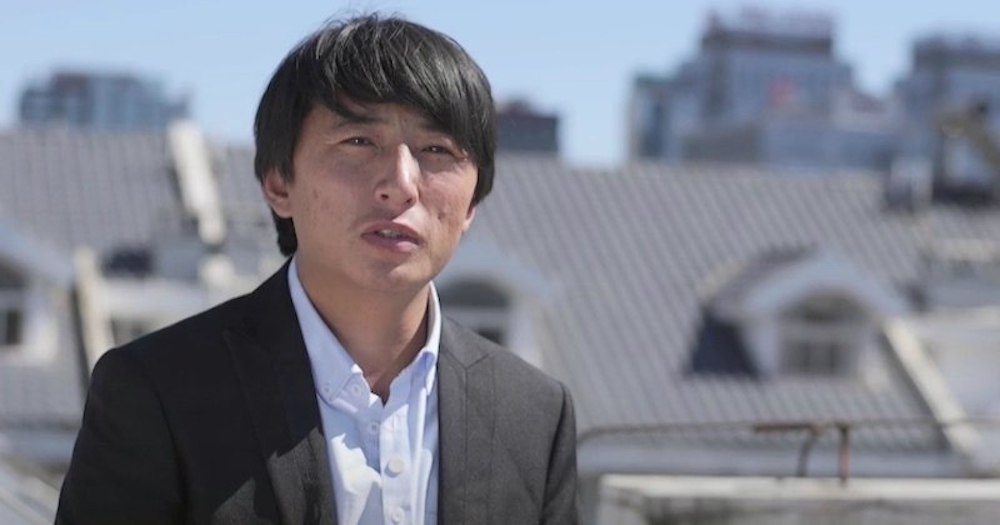

By Choekyi Lhamo
DHARAMSHALA, April 19: The prominent Tibetan language rights activist Tashi Wangchuk continues to face harassment from government officials even after completing his 5-year prison sentence on charges of “inciting separatism,” reported the rights group Tibetan Centre for Human Rights and Democracy (TCHRD) last week. “We are deeply concerned about the personal liberty and security of Tibetan language advocate Tashi Wangchuk,” the report remarked, citing how Wangchuk’s account on micro blogging site Weibo was blocked after he posted about the closure of Tibetan schools in April.
TCHRD also expressed concerns over his online disappearance as his Weibo account seems inaccessible since April 10. According to sources close to the Dharamshala based organisation, the former prisoner made several stops at guesthouses in Golog Tibetan Autonomous Prefecture and Malho Tibetan Autonomous Prefecture before he was reportedly refused service. The sequence of events hints at close surveillance on the vocal language advocate by the government, to further target his advocacy for Tibetan language and schools.
The 37-year-old also faced constant harassment from officials at his hotel lodging, and faced continued dismissal from hotel owners during his stay. As per the report, he had been denied accommodation numerous times along with evictions from six different guesthouses, when he wrote, “After all these, I can no longer predict my fate or how the police will settle this matter. Even an ordinary person like me cannot rent an accommodation and such a trivial matter has to be petitioned to the higher authorities. Still, I hope there will be a proper mechanism to redress the grievances of the people.” In his posts, he had questioned closure of Tibetan language websites by noting inaccessible websites, where he also enlisted the rights enshrined in the Chinese constitution.
The language rights activist was found guilty of “inciting separatism” in a 2015 The New York Times video, which was later used as legal evidence against him during the trial. Wangchuk was tried behind closed doors in 2018 after two years in detention, and was sentenced with five years of deprivation of political rights after his release. Tibetan activist groups celebrated his release in January this year but the positive news is overshadowed over doubts if he would remain free as he is subject to heavy surveillance for five more years.

