

By Choekyi Lhamo
DHARAMSHALA, Jan. 28: Tibetan language advocate Tashi Wangchuk has been released after completing his 5-year sentence on Thursday, according to a tweet from his lawyer Liang Xiao Jun. “According to reports, Tashi Wangchuk was brought back to Yushu today by personnel from the Judicial Bureau of Trindu (Ch: Chengdu) County, Qinghai Province, and is now on his way to his sister’s home. Family members say he is in good health. Because I’ve been unable to get his photo or directly contact his family in Yushu, I don’t know if he is fully free,” read the tweet.
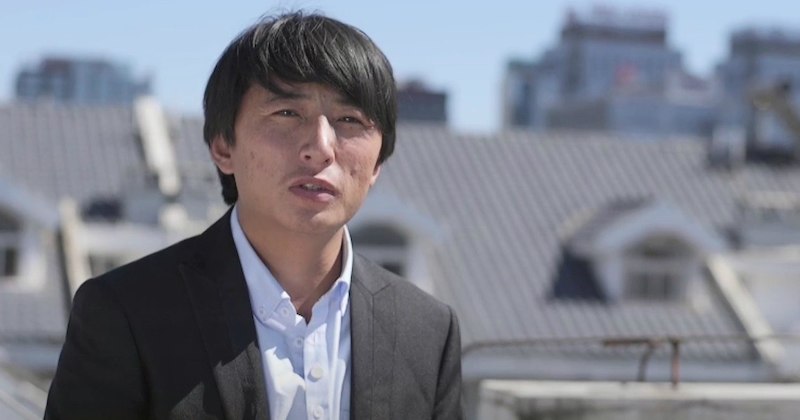
The former shopkeeper from Kyegundo (Ch: Yushu) in Eastern Kham was the subject of a New York Times coverage where he spoke extensively about his advocacy to protect the Tibetan language under the Chinese government. The video and written reportage showed Tashi Wangchuk travelling to Beijing in an attempt to lodge a complaint against his local government after it closed Tibetan classes in his home town.
He insisted that his actions were not political and emphasised it has nothing to do with Tibet’s political status, and that he only wanted Chinese authorities to comply with its own constitution. The 1984 law on regional autonomy provides for language rights in six provisions, wherein Article 10 reads, “Autonomous agencies in ethnic autonomous areas guarantee the freedom of the nationalities in these areas to use and develop their own spoken and written languages and their freedom to preserve or reform their own folkways and customs.”
The 36-year-old insisted that his interview be put on public record, rejecting the opportunity to make his remarks anonymously. Tibet right groups around the globe called on the international community to pressure China for his release. The London-based rights group Free Tibet said, “The Tibetan language has become increasingly marginalised under China’s so-called bilingual education policy, which in practice has seen Mandarin Chinese supersede it in schools, business and local government.”
The language advocate was found guilty of “inciting separatism” and the video was used as legal evidence against him during the trial. Tashi Wangchuk was tried behind closed doors in 2018 after two years in detention, and was sentenced with five years of deprivation of political rights after his release. Tibet activist groups are celebrating his release from unjust imprisonment but are equally doubtful if he would remain free as he will be subject to heavy surveillance for five more years.

