

Tenzin Nyidon
DHARAMSHALA, July 18: Belgian lawmakers have urged the federal government to adopt a robust response to China’s newly enacted Ethnic Unity and Progressive Law, warning that the legislation could further entrench the assimilation of minority communities within China while extending the reach of state repression beyond its borders.
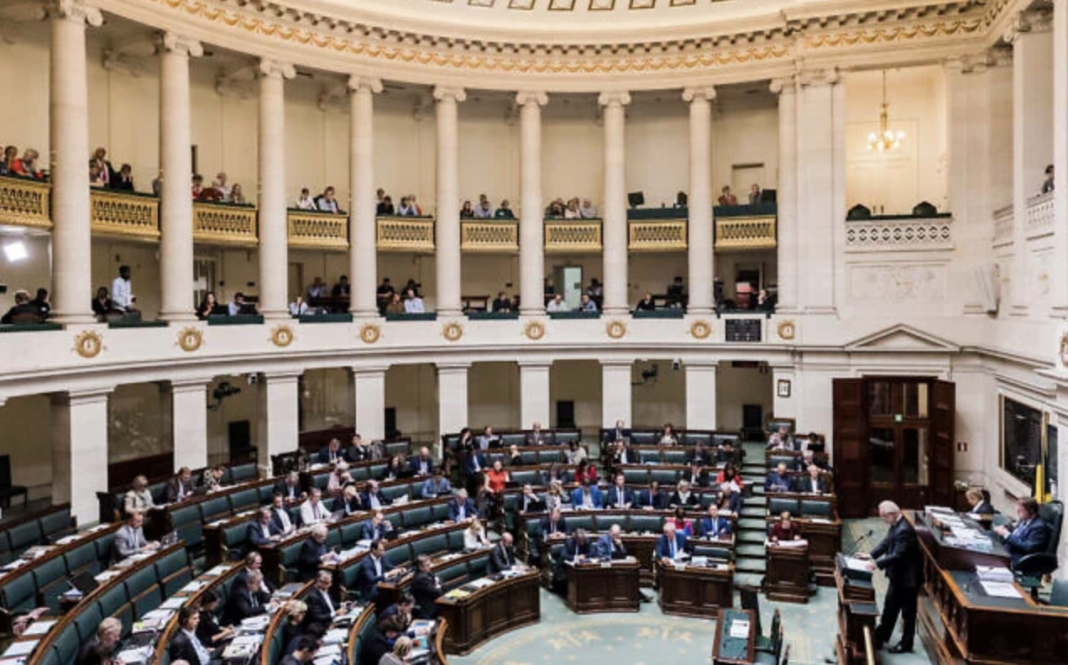
The issue was raised during the final meeting of the Belgian Federal Parliament’s Foreign Affairs Committee, held before the summer recess on July 15. Members of Parliament, including Foreign Affairs Committee Chair Els Van Hoof and MPs Katrijn van Riet, Britt Huybrechts, and Annick Lambrecht, questioned Deputy Prime Minister and Foreign Minister Maxime Prévot on the implications of the law, which came into force on 1 July 2026.
During the debate, parliamentarians voiced concern that the legislation creates a formal legal basis for the continued erosion of the cultural, linguistic, and religious rights of Tibetans, Uyghurs, Mongols, and other ethnic communities in China. Particular attention was given to the law’s extraterritorial provisions, which parliamentarians warned could be used to target activists, scholars, civil society organisations, elected representatives, and diaspora communities living abroad.
The MPs pressed the government on whether Belgium had conducted a comprehensive assessment of the law’s potential consequences, coordinated its response with European Union partners, and planned to raise the issue with Beijing through bilateral channels and at international platforms such as the United Nations Human Rights Council.
Lawmakers also sought assurances that Belgium is prepared to protect individuals residing in the country from intimidation, surveillance, and other forms of transnational repression allegedly linked to the Chinese state.
In response, Foreign Minister Maxime Prévot acknowledged that the law’s extraterritorial dimensions merit close scrutiny. He stated that the Belgian Foreign Ministry, together with the country’s diplomatic mission in China, is closely analysing the legislation and its possible implications for freedom of expression, academic freedom, and other fundamental rights beyond China’s borders.
Prévot reaffirmed that Belgium continues to raise concerns over the human rights situation of various groups in China through bilateral diplomatic engagement, coordination within the European Union, and discussions in multilateral forums. He added that allegations of transnational repression are taken seriously and noted that safeguarding individuals in Belgium falls under the mandate of the country’s security and intelligence services.
In their closing remarks, lawmakers stressed that Belgium and the European Union must respond with clarity and resolve, cautioning against allowing economic considerations to overshadow human rights principles. They called for sustained international attention to the situation of Tibetans, Uyghurs, Mongols, and other communities affected by China’s assimilation policies.

