

By Tsering Dhundup
DHARAMSHALA, July 27: The increased activity at high-security detention facilities in Tibet has sparked concerns over potential harsher imprisonments by Chinese authorities, according to a recent study conducted by the Rand Europe research institute. The study used overhead satellite imagery analysis and night-time lighting data to examine 79 detention facilities in the so called Tibetan Autonomous Region (TAR).
The researchers found trends in heightened activity, particularly in the 14 higher-security facilities. Night-time lighting data revealed increases in activity in both prisons and high-security detention facilities during specific periods, with growth peaking in 2019-2020 and 2021-2022, respectively. In contrast, growth in lower security facilities seemed to peak in 2017.
The surge in activity has raised concerns among researchers, who believe it may indicate a potential shift towards longer detentions in TAR. The situation echoes similar patterns observed in east Turkistan (Xinjiang), where mass detentions in re-education facilities and high-security detention centres have drawn international scrutiny.
The Chinese government’s policies in TAR have been characterized by a veil of secrecy and tight control, leading to the region often being described as an “information black hole.” The findings of this study shed some light on the otherwise elusive “stability maintenance” policies implemented by the Chinese authorities in Tibet.
In 2018, it is reported that China is expanding its paramilitary police facility in Tsamdo town, Driru county, Nagchu prefecture, TAR. The expansion was carried out in anticipation of further waves of detention of residents who resist forced displays of loyalty to Beijing. Driru has been considered “politically unstable” by Beijing, and its detention crackdown is seen as an attempt to prevent unrest from spreading to other parts of the region.
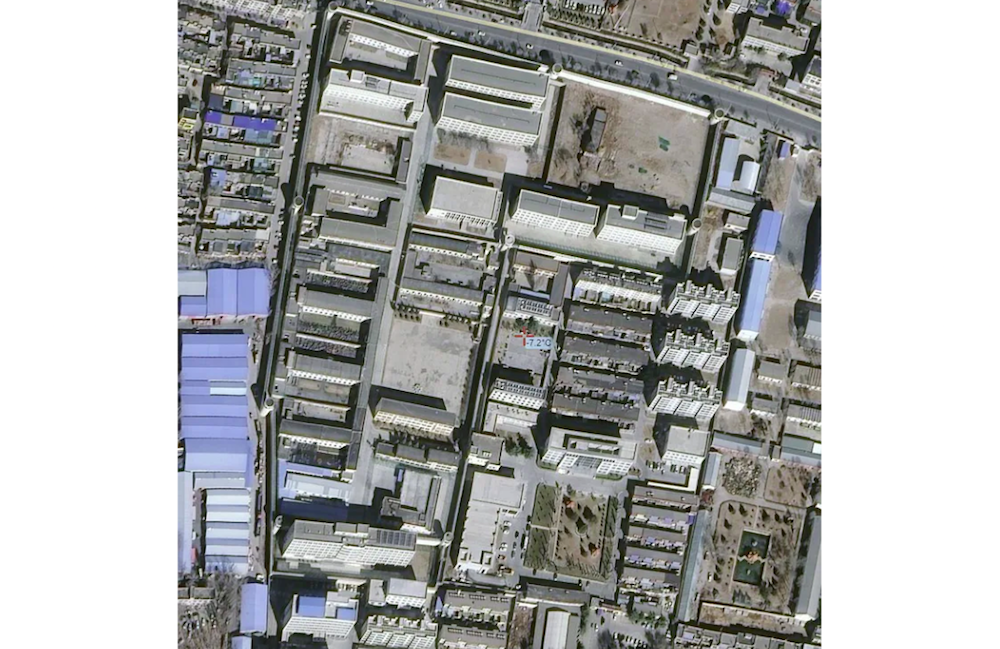
Another facility that has drawn attention is the infamous Drapchi Prison, officially known as Tibet Autonomous Region Prison Number 1. Originally a military garrison, it was converted into a prison after the 1959 Tibetan Uprising. Located roughly one mile from the city centre, it serves as the main prison for judicially sentenced prisoners in Tibet. In the past, it was notorious for the detention of political prisoners, and several deaths were reported due to beatings during peaceful protests in 1998.

