

Tenzin Nyidon
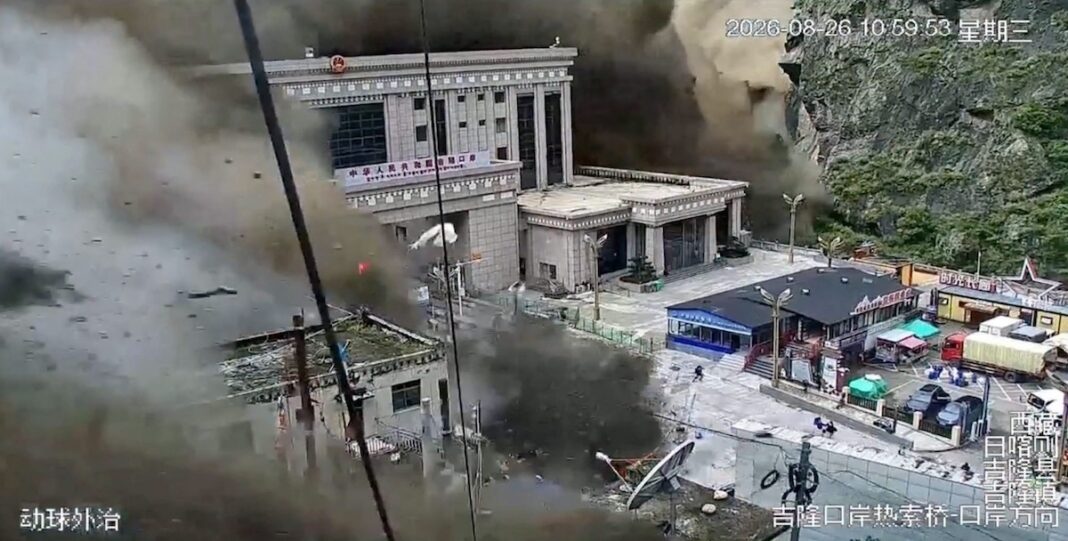
DHARAMSHALA, Aug. 27: The catastrophic flash flood that swept across the Nepal–Tibet border on Wednesday has caused widespread destruction and left Tibetan communities in both Tibet and Nepal facing severe losses, according to Central Tibetan Administration (CTA) President Penpa Tsering. Some Tibetan outlets have reported the death toll of Tibetans to be at least 5 at the time of writing this report.
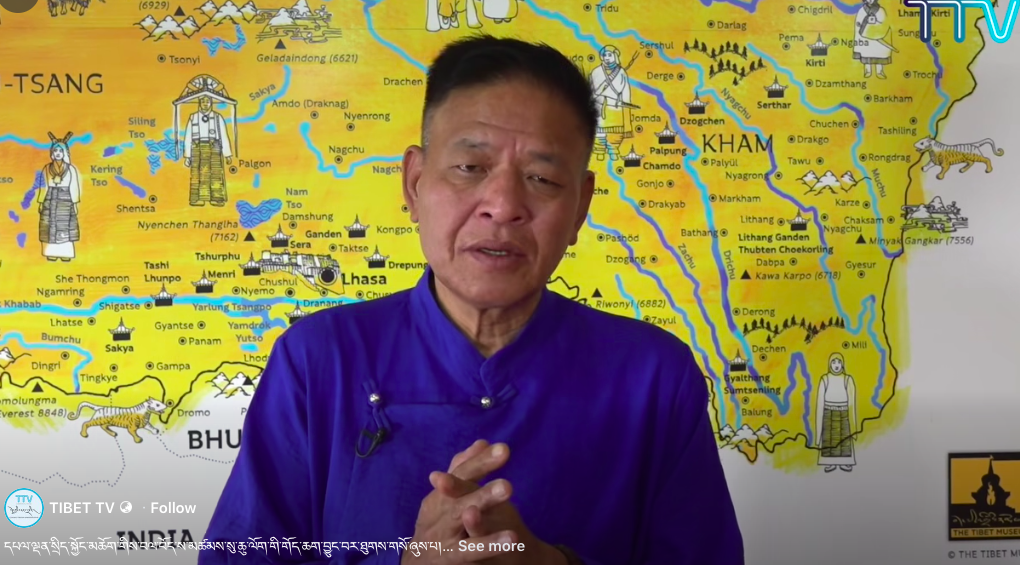
In a video message released by Tibet TV on Thursday, the CTA President confirmed that Tibetans living in Kyirong, Tibet, and members of the Rasuwa Gegayling Tibetan Settlement in Nepal’s Rasuwa District were among those affected by the disaster. The small Tibetan settlement in Rasuwa has reportedly been largely washed away by the surging floodwaters. President Tsering said some Tibetan residents are feared dead, while others remain unaccounted for. Some residents, however, managed to survive by fleeing to higher ground or scrambling up surrounding hills as the floodwaters inundated the valley.
The scale of the disaster remains difficult to ascertain because communication links to the affected area have been severely disrupted. The destruction of the Trishuli power grid has left the region without dependable electricity and telephone connectivity, hampering efforts to establish the number of casualties and assess the extent of the devastation.
Expressing solidarity with the victims and their families, President Tsering said prayers and religious offerings would be conducted for those who lost their lives. A prayer and offering ceremony is scheduled for 2 p.m. Thursday at the Main Tibetan Temple in Dharamshala to honour the victims of the disaster.
His Holiness the 14th Dalai Lama has also expressed deep sorrow over the destruction and loss of life caused by the floods in Rasuwa and Kyirong. “I am saddened to learn of the devastating floods in the Rasuwa region of Nepal and Kyirong in Tibet, resulting in loss of life and heavy structural damage,” the Tibetan spiritual leader said in a condolence message issued on Thursday. He offered prayers for those who had died and extended his sympathy and heartfelt condolences to the bereaved families and all those affected.
The nonagenarian leader also drew attention to the recurring disasters that have afflicted the Himalayan region, pointing to the possibility of deeper environmental causes. “Since this region has seen calamities in the past as well, these are certainly symptoms of a deeper underlying cause — whether climate change or other factors,” he said, expressing hope that appropriate measures would be taken to reduce the likelihood of such disasters recurring.
The flash flood struck on Wednesday after a massive collapse of ice, rock and debris unleashed a sudden torrent of water through the mountainous region. In Nepal, the floodwaters surged through settlements along the Bhotekoshi and Trishuli river corridors, sweeping away homes, roads and bridges and severely damaging hydropower infrastructure.
Nepali authorities have confirmed at least 160 deaths, while hundreds of people remain unaccounted for. The death toll is expected to remain uncertain until rescue teams can reach isolated and heavily damaged communities.
According to reports, rescue and recovery operations have been further complicated by devastated infrastructure, power outages, severed communication networks and the rugged Himalayan terrain. Emergency teams continue to search for survivors and missing people while assessing the extensive damage caused by one of the region’s most destructive recent floods.

