

Tenzin Nyidon
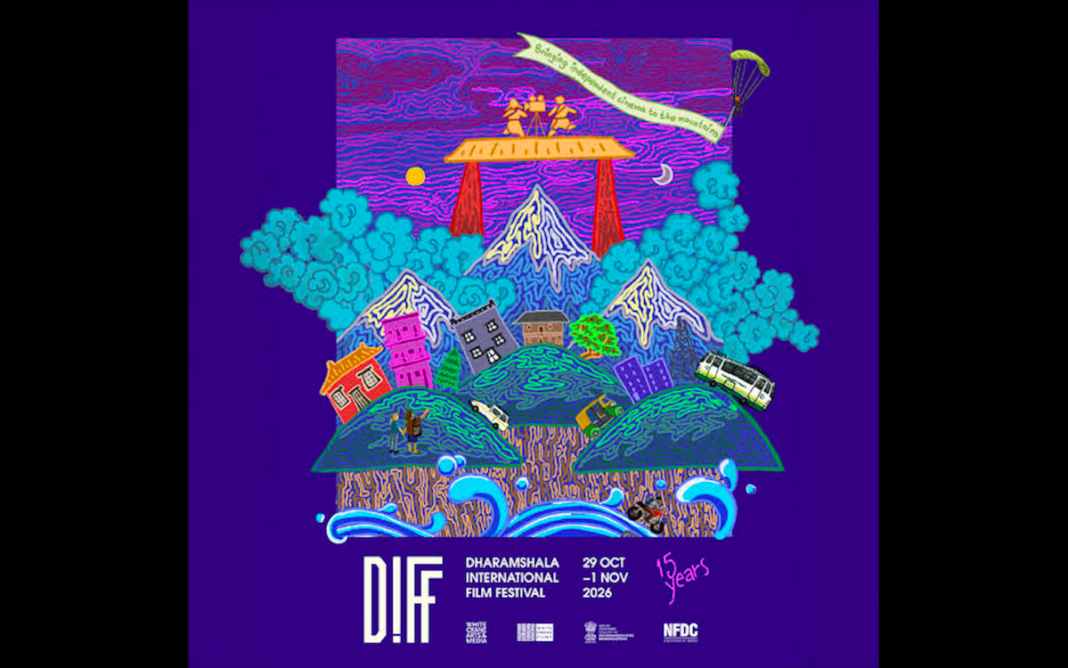
DHARAMSHALA, Oct. 29: The 15th edition of the Dharamshala International Film Festival (DIFF) opened at the Upper Tibetan Children’s Village (TCV) on Thursday, bringing independent cinema from India and around the world to the Himalayan town. The four-day festival, running until November 1, features film screenings, conversations with filmmakers, workshops and masterclasses.
This year’s programme features more than 90 films, including 33 narrative features, 15 feature documentaries, and 46 short and mid-length films.
Speaking to Phayul, DIFF co-founder Tenzing Sonam said the festival’s Tibetan representation this year includes Midnight Momo, a feature film by young Tibetan filmmaker Tenzin Yeshi, who is based in New York. “We’ve shown his earlier short film already at DIFF, and I’ve been following his films. He’s a very exciting young filmmaker, so we’re very happy to be able to show Midnight Momo at DIFF,” he said.
Beyond the feature, the festival does not have other films with specifically Tibetan themes in this year’s programme. However, it will screen Whispers of the Dragon, a short-film anthology from Bhutan featuring young filmmakers exploring aspects of everyday life in the country that are rarely seen on screen.
Addressing the absence of films from Tibet, he described the situation as increasingly complicated, alleging that Dharamshala had effectively been blacklisted as a destination for films from China. He recounted an incident following last year’s festival, when a German sales agent representing a Chinese film contacted the organisers and requested that all references to the film be removed from DIFF’s website and social media platforms after its producers reportedly encountered trouble.
“What we discovered later is that now, any film that goes to an international film festival from China, they have to get permission from the government first,” he said, adding that Dharamshala appeared to have been placed on a blacklist. “As a result, there’s no chance now of us getting any—even a Chinese film we can’t show. So that’s a sad state of affairs,” he added.
Reflecting on DIFF’s 15-year journey, he said the festival was founded by him and his wife, fellow filmmaker and co-founder Ritu Sarin, to address the lack of opportunities for local audiences to experience alternative and independent cinema. “As independent filmmakers ourselves, we love independent films, so we thought, let’s try and create a space where local people can also have the opportunity to watch independent films,” he said.
The festival began on a modest scale at the Tibetan Institute of Performing Arts (TIPA), screening films on DVD across two venues. The founders had little expectation that the initiative would grow beyond its initial scope. However, he said the festival gradually attracted audiences and filmmakers from across India, responding to a growing appetite for a genuinely independent film festival.
“Before we knew it, it just took on a life of its own and became much bigger than we ever imagined it,” he said.
Another development welcomed by the co-founders is the revival of the DIFF Himalayan Film Fellows Initiative after a hiatus of six or seven years. “We were able to get the funding, so that’s something we’re very excited about as well,” Tenzing Sonam said.
DIFF was co-founded by filmmakers duo Tenzing Sonam and Ritu Sarin in 2012 with a vision to celebrate independent cinema, cultivate local filmmaking talent, and establish a meaningful cultural platform for Dharamshala’s diverse communities. As long-time residents of Dharamshala, they aimed to create a festival that could amplify unique voices and nurture a space for thoughtful engagement with contemporary issues.

