

Tenzin Nyidon
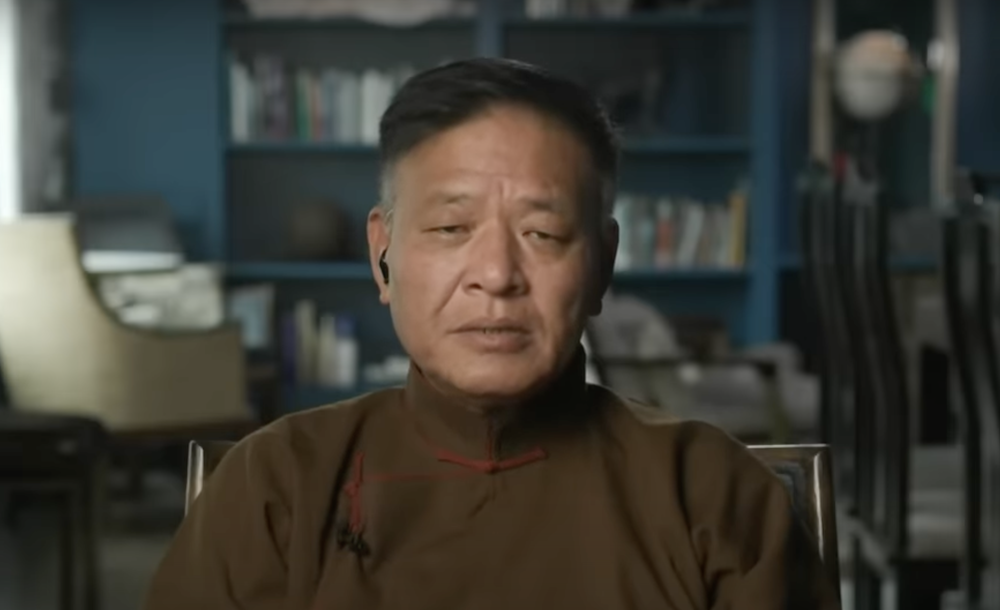
DHARAMSHALA, Dec. 27: The President of the exile Tibetan government, known officially as the Central Tibetan Administration (CTA), Penpa Tsering, in an exclusive interview with ABC News, highlighted the enduring global focus on Tibet’s struggle under the visionary leadership of His Holiness the Dalai Lama.
President Tsering attributed the resilience of the Tibetan cause to the Dalai Lama’s visionary guidance, emphasising its significance despite decades of Chinese oppression. “We have never lost hope because of His Holiness the Dalai Lama’s visionary leadership even if we are only about 130,000 or 140,000 Tibetans in exile. We have still kept the issue of Tibetans alive. That shows the enduring spirit of the Tibetan people,” he said, addressing Tibetans in Tibet with a message of solidarity and resilience.
Speaking on China’s efforts to control the selection of the next Dalai Lama, Tsering reiterated the CTA’s firm stance against Beijing’s interference in Tibetan spiritual matters. He warned that China’s actions undermine the deeply rooted Tibetan Buddhist tradition. He further criticised the move, stating, “The reincarnation is very unique to Tibetan Buddhism. Lamas reincarnate to carry forward the unfulfilled responsibilities that they left behind in their previous life and it is the Lama that is going to be reborn. The Chinese government which does not believe in any religion wants to be responsible for the recognition of reincarnate Lamas. They are not bothered about the living 14th Dalai Lama but they are more concerned about controlling the yet to come 15th Dalai Lama.”
Reflecting on the 2008 uprising in Tibet, where monks and laypeople demanded the Dalai Lama’s return, President Tsering highlighted the enduring resistance. “The Tibetan resistance movement has persisted for decades. The 2008 protests saw participation from across Tibet, showcasing unity and resolve. Since then, 157 Tibetans have self-immolated, hoping to draw attention to their plight. Despite the lack of significant international intervention, we continue to inform the world about ongoing political, military, and economic developments inside Tibet. We remain optimistic about positive changes in China in the near future.”
When asked about the Resolve Tibet Act signed into law by U.S. President Joe Biden on July 12, Tsering emphasised its significance and global implications. The act, which prompted sharp criticism from Beijing, reaffirms Tibet’s unresolved status under international law. “The Chinese government claims sovereignty over Tibet, while we advocate for the Middle Way Approach, a non-violent, mutually beneficial solution. The Tibetan Resolve Act underscores that Tibet remains an unresolved issue under international law. It addresses four main issues, challenging China’s narrative that there is no Tibet problem,” he explained.
Discussing the ongoing stalemate in negotiations with China, President Tsering acknowledged limited progress. “While we maintain some contact, it has not yielded significant outcomes. With the recent change in government, we aim to engage the new administration and strengthen collaboration with like-minded nations. The passing of this act by Congress reflects growing international support for Tibet’s cause,” he explained.

