
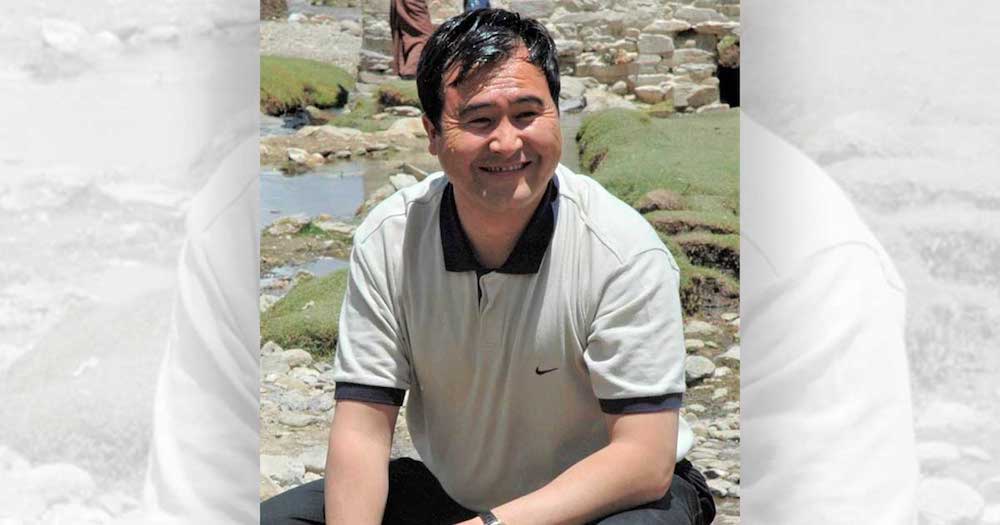

Tenzin Nyidon
DHARAMSHALA, Oct. 6: Fresh concerns have emerged over the condition of imprisoned Tibetan businessman and philanthropist Dorje Tashi, as his lawyer, Wang Fei, has questioned prison authorities over their continued refusal to allow him and Dorje Tashi’s family to meet with him.
A recently leaked audio recording posted on X (formerly Twitter) under the account name Sakar Tashi captures a telephone conversation between Dorjee Tashi’s lawyer, Wang Fei, and a police official associated with the prison administration of the so-called Tibet Autonomous Region (TAR), in which the lawyer seeks an explanation for the authorities’ continued refusal to allow him to meet his client.
According to the recording, the official attributed the restriction to Wang Fei’s previous disclosure to Dorje Tashi’s family about an assault he had reportedly suffered in prison. The disclosure prompted family members to protest and submit appeals outside the prison, the official reportedly said.
Wang Fei, however, questioned the legal basis for preventing prisoners from meeting their family members and asked the authorities to provide in writing the reasons for denying his access to Dorje Tashi. He also warned that continued restrictions could inevitably fuel further concern among the family about Dorje Tashi’s well-being.
The latest development comes after the lawyer submitted requests in July and August this year to meet Dorje Tashi, but was reportedly denied access. His family has similarly faced prolonged restrictions. Tashi’s elder brother and sister Gonpo Kyi have not been permitted to see him since 2019, while his wife and children have reportedly been denied visits since 2024.
The restrictions have also extended to online discussion of Dorje Tashi’s case. Chinese authorities have repeatedly removed social media posts calling for a fair trial and questioning the legality of his imprisonment. Authorities have also reportedly demanded that advocates remove online material about his case and apologise before they would consider visits.
Wang Fei was reportedly able to meet Dorje Tashi for less than an hour in October 2025 after years without access. During that meeting, the lawyer learned that Tashi had been physically assaulted by other prisoners. In November 2025, he had sustained serious injuries in a prison assault.
The reported assaults have intensified concerns over Dorje Tashi’s safety, particularly as his family and legal representatives have subsequently faced additional barriers to contact. Rights advocates have argued that regular access to family members and legal counsel is essential not only for a prisoner’s welfare but also for independent scrutiny of his treatment in custody.
Dorje Tashi has been imprisoned since 2008, following his arrest amid the widespread protests that swept across Tibet that year. At the time, Chinese authorities reportedly accused him of supporting activities considered a threat to national security and alleged links to Tibetans in exile. He was subsequently tried behind closed doors and sentenced to life imprisonment in 2010. Although the case initially carried political allegations, his eventual conviction was based on charges relating to alleged loan fraud. His family and legal advocates have consistently rejected the allegations and sought a retrial.
His case has been marked by repeated attempts to challenge the conviction. His lawyer filed an appeal in 2013, but reportedly received no response for several years before it was rejected in 2019. A further legal effort eventually enabled Wang Fei to meet Dorje Tashi in prison. His family has also mounted a persistent campaign for his release and for access to him. His sister Gonpo Kyi has repeatedly staged peaceful protests outside courts in Lhasa, demanding a retrial and visitation rights. Her activism has resulted in detention, physical assault and intimidation, according to rights groups and reports.
In 2023, Gonpo Kyi and her husband were detained after protesting outside the Lhasa People’s Court with a request for a retrial and visitation rights. A year later, a Chinese court dismissed her lawsuit challenging her detention and upheld the authorities’ actions.

