

Tenzin Nyidon
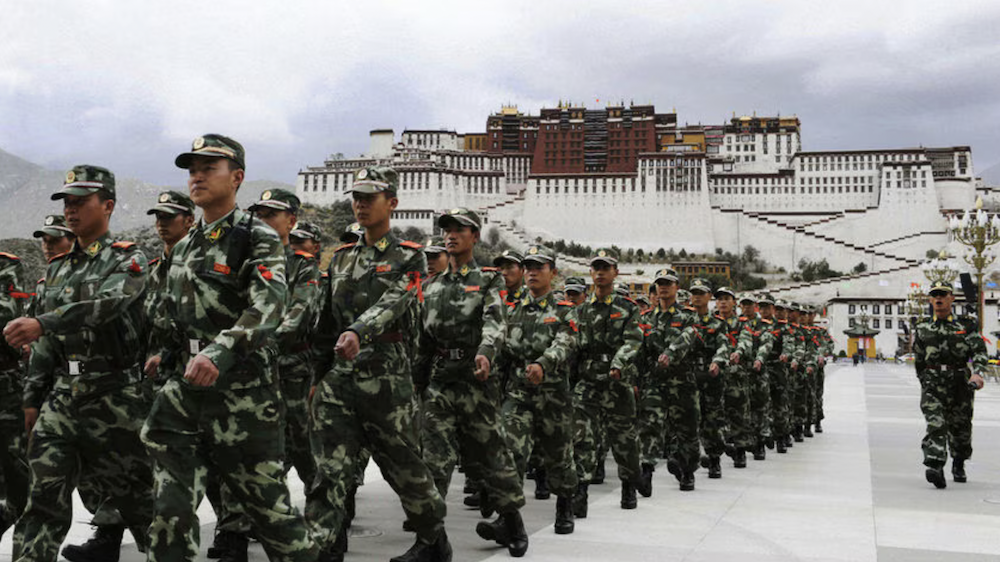
DHARAMSHALA, Aug. 16: Chinese authorities reportedly tightened security across Tibet around the time of His Holiness the Dalai Lama’s 90th birthday, ramping up surveillance, monitoring Tibetans’ daily activities and communications—particularly with those in exile—and carrying out arrests throughout the region, according to tibet.net, the official portal of the exile Tibetan government, the Central Tibetan Administration (CTA).
Chinese authorities deployed a heavy police presence at Karze Monastery, effectively confining monks and nuns to the premises and barring them from taking part in any public or communal observances. Officials also issued strict directives prohibiting households from Sangsol, the offering of incense and burning of juniper.
In Drakgo County, Karze, an official notice was issued banning all public gatherings until July 23. Meanwhile, several Tibetans were arrested and detained in Ba Zong and Siling (Ch. Xining) in the traditional province of Amdo, with some being held in county-level state security offices. Families of those detained reportedly received no information regarding their whereabouts or condition.
Chinese authorities also launched a crackdown on several monks from Kirti Monastery in Ngaba after they spoke with a BBC journalist team that visited the monastery in July to produce a video report on the current situation in Tibet. Numerous monks who interacted with the journalists were interrogated.
In July 2025, Chinese authorities launched an aggressive crackdown beginning on 13 July, targeting Ngaba Kirti Monastery in Ngaba County, Taktsang Lhamo Kirti Monastery in Dzoge County, and Gyalrong Tsodun Kirti Monastery in Barkham County with sweeping new restrictions. Officials reportedly issued stern orders to monks to destroy all photographs, writings, and documents related to the 11th Kirti Rinpoche, Lobsang Tenzin Jigme Yeshe Gyamtso Rinpoche, who now lives in exile in Dharamshala. Authorities warned that any monastery found in possession of such materials would be charged with “political crimes”—a grave accusation in China often used to justify severe punishment, including long-term prison sentences. The directive extended beyond the monasteries, with strict bans on keeping or displaying images of the revered spiritual leader in monks’ quarters and even in local Tibetan homes.
Chinese authorities also dissolved the Buddhist Educational Administration Committee, a key institution overseeing philosophical studies at the four major Kirti monasteries, accusing it of maintaining links with exiled Tibetan spiritual leader Kirti Rinpoche.
In the months preceding His Holiness the Dalai Lama’s birthday, authorities tightened restrictions across Tibetan areas under Qinghai Province. Tibetans returning from abroad were barred from entering monasteries or paying respects, with no official reason provided. In Yadzi (Ch. Xunhua), Tsoshar Prefecture in Tibet’s Amdo region, monasteries were instructed to limit gatherings to no more than five monks. Local sources reported that about 200 Tibetans were interrogated over alleged connections to birthday celebrations for His Holiness. Additionally, monks and nuns in many major Tibetan monasteries were prohibited from holding large prayer ceremonies or assemblies.
In Kangtsa (Ch. Gangcha) County, Tsojang (Ch. Haibei) Prefecture in Amdo, Chinese authorities intensified surveillance on Tibetans celebrating personal birthdays during the Dalai Lama’s 90th birth anniversary year. Security officers conducted identity card checks and instructed residents to submit photographs of their private birthday gatherings to local public security offices.
On 25 July 2025, authorities detained two Tibetans in Chentsa (Ch. Jianza) County, Malho Prefecture in Amdo. No reason was given for the arrests, and the whereabouts and condition of the detainees remain unknown, sparking concerns for their safety and well-being.
In the Tibetan capital, Lhasa, and across the so-called Tibet Autonomous Region, including Maldrogungkar, large numbers of armed security personnel were deployed throughout the city. In Maldrogungkar, Chinese authorities reportedly ordered a ban on the Sangsol ritual.
“This year’s intensified measures are part of a broader pattern of China’s control over religious life in Tibet, particularly during culturally and spiritually significant dates. It is also a calculated move to cut ties between Tibetans with His Holiness the Dalai Lama with the use of threats and punishments. The ongoing restrictions are emblematic of the PRC’s systematic violation of the International human rights laws, including Universal Declaration of Human Rights and the International Covenant on Civil and Political Rights, as well as its Constitution, that at least on paper, safeguard the right to freely practice one’s religion without government’s interference,” the CTA stated.

