

Tenzin Nyidon
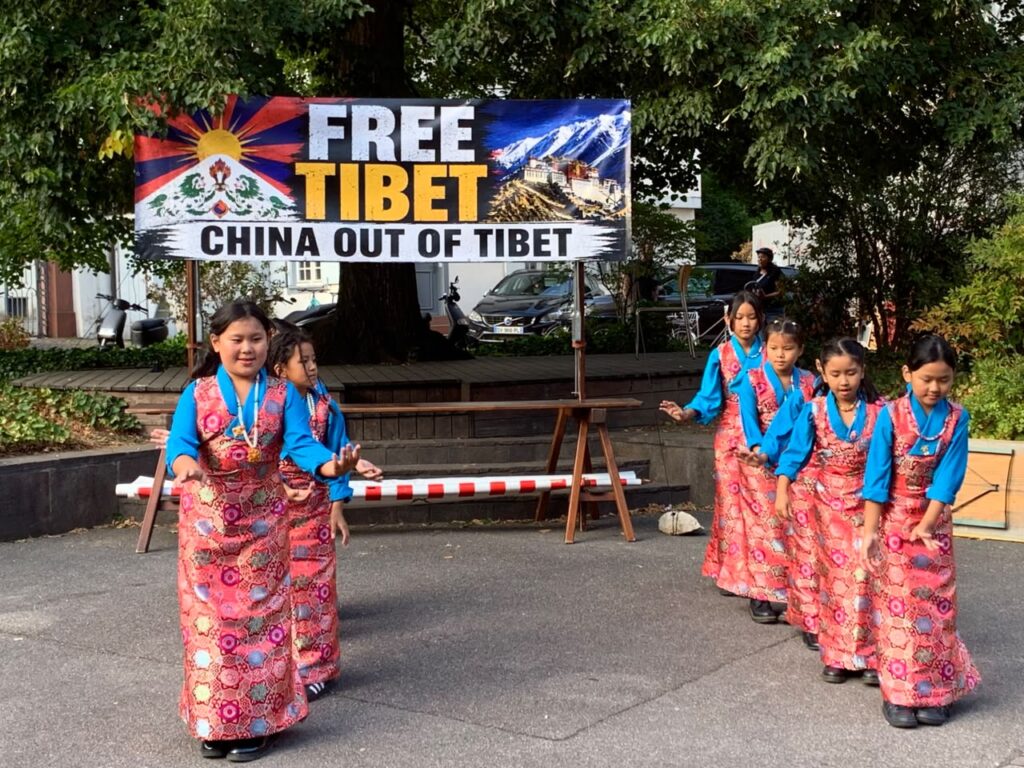
DHARAMSHALA, Aug. 25: The exile Tibetan government officially known, as the Central Tibetan Administration (CTA), has designated the fourth week of September every year as “Tibetan Identity Preservation Week,” calling on Tibetan communities and supporters worldwide to organise political, cultural, and artistic activities to safeguard Tibetan national identity.
The decision was announced by the CTA Cabinet on August 21, following deliberations on a resolution unanimously adopted during the 11th session of the 17th Tibetan Parliament-in-Exile. The initiative comes amid Beijing’s intensified efforts to assimilate Tibetans and other occupied regions into a single, Han-dominated conception of the Chinese nation, known as Zhonghua Minzu.
In its announcement, the Cabinet strongly criticised China’s recently introduced “Law on Promoting Ethnic Unity and Progress,” stating that the legislation provides a legal framework for accelerating the assimilation and transformation of distinct ethnic communities, including Tibetans, Mongols, and Uyghurs.
The CTA described the policy as constituting “genocide” and “crimes against humanity”, arguing that such practices are prohibited under international law. It further contended that the legislation contradicts provisions of the Chinese Constitution that formally guarantee ethnic equality, regional ethnic autonomy, and the right of minority communities to use and develop their languages and preserve their customs and traditions.
The Cabinet also accused Beijing of using the legislation as an instrument of transnational repression, extending pressure beyond China’s borders to individuals and organisations connected with Tibet, Tibetan religion, and the Tibetan political cause.
Under the campaign, Tibetan associations, community organisations, and advocacy groups have been urged to mobilise political and public support in their respective countries. The announcement calls for resolutions to be introduced in national and local legislatures opposing the law, while governments, international organisations, think tanks and research institutions are encouraged to issue statements, adopt resolutions, and publish research examining its implications.
The CTA has also called for experts, academics, and media organisations to produce analytical commentary, investigative reports, and public discussions on the legislation. Campaign materials and relevant documents are to be translated into major international languages to broaden their dissemination.
As part of the campaign, Tibetan representatives and local heads have been instructed to compile resolutions, statements, and research reports concerning China’s ethnic policies and submit them on September 25 to the United Nations, governments and parliaments of relevant countries, think tanks, media organisations, and other institutions.
The announcement places particular emphasis on making the preservation of Tibetan identity part of everyday life. Beginning September 23, Tibetans are encouraged to undertake family-level activities centred on expressions of cultural identity, including reciting Mani mantras, speaking the Tibetan language, wearing Tibetan clothing, and eating Tibetan food.
The Cabinet has further encouraged Tibetans worldwide to develop creative initiatives throughout the designated week, stressing that participation should extend beyond formal political advocacy to encompass language, religion, traditional dress, food, cultural practices, and other expressions of Tibetan identity.
The annual observance is intended to become a sustained campaign for cultural preservation rather than a one-off event. Through the designation of a dedicated week, the CTA seeks to consolidate Tibetan communities around the protection of their distinct cultural and national identity while drawing greater international attention to Beijing’s ethnic policies. The Cabinet said further official guidelines and details concerning activities for Tibetan Identity Preservation Week would be issued through subsequent announcements.

