

Tenzin Nyidon
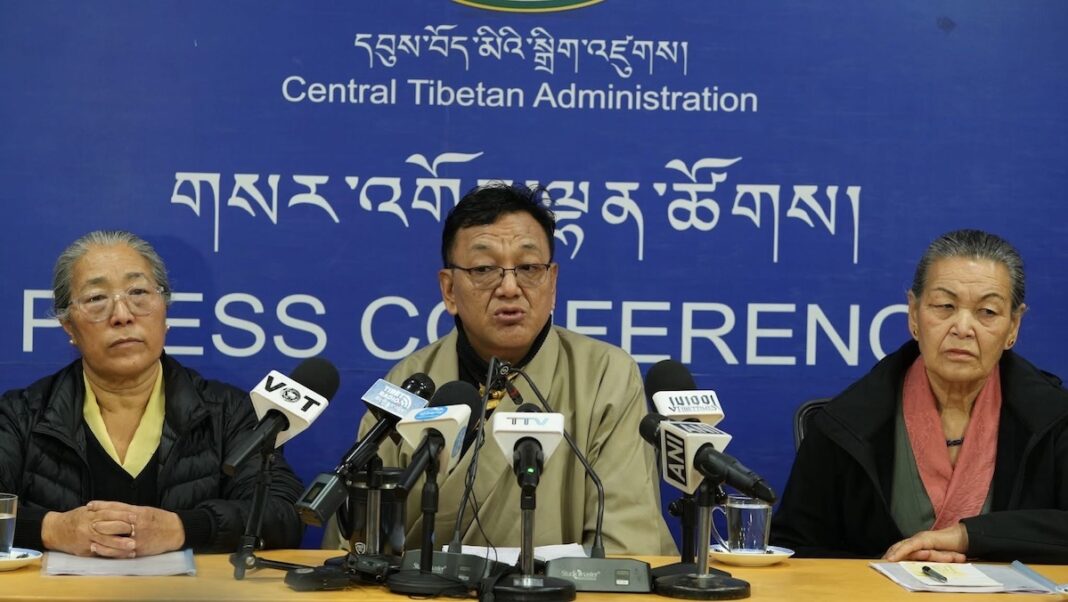
DHARAMSHALA, April 25: Days ahead of final elections of the Tibetan parliament in exile, the Central Tibetan Administration’s Election Commission, in an official communication dated April 23, stated that it has found “serious violations” in the conduct of preliminary polls of the Choejor Tibetan Settlement in Nepal, including areas such as Boudha and Jorpati, and has withdrawn the final election for the Choejor polling station.
According to the statement, the Commission received multiple complaints from parliamentarians, election observers, media personnel, and members of the public alleging that the elections were not conducted according to established Electoral Rules and Regulations. Due to logistical constraints, the Commission remotely reviewed ballot papers, official documents, and testimonies from local authorities, which revealed widespread procedural irregularities.
Among the most serious findings, individual voters cast multiple ballots, with some reportedly filling out 10, 20, 40, 70, or even up to 100 ballot papers. A large number of ballots also appeared to be written in the same handwriting, raising concerns of manipulation. Investigators further found that ballots had been distributed to households and community groups and collected days later, directly violating the one-day voting requirement.
Additional irregularities included instances where a single committee member handled both the distribution and collection of ballots, undermining procedural safeguards. Ballots lacking proper candidate identification or containing inconsistent details were nevertheless counted. In some cases, single ballots showed multiple handwriting styles, while a voter residing in the United States was reportedly allowed to vote under multiple constituencies.
The Election Commission stated that such actions severely compromised the integrity of the electoral process, making it impossible to ensure the vote was conducted in a free, fair, and secret manner.
The local election commissioner in Choejor settlement, however, denied any wrongdoing during three separate inquiries, maintaining that the elections were conducted properly. The official attributed similarities in handwriting to the settlement’s demographic composition, noting that approximately 60 percent of residents are monks or former monks trained under the same teacher.
The Commission rejected these explanations, citing clear and compelling evidence of violations. It also expressed concern over repeated attempts by the local official to contact central authorities during the investigation, characterizing such actions as undue pressure. In a letter dated April 22, the official reportedly sought a statement declaring no legal evidence of wrongdoing, an act the Commission described as inappropriate and potentially intimidating.
While acknowledging the challenging political environment in Nepal and recognizing the efforts of local officials, the Commission concluded that the deliberate misuse of ballots by certain individuals had likely influenced the election outcome.
Invoking provisions under the Charter of Tibetans in Exile and the Election Rules, which empower it to investigate and adjudicate electoral disputes, the Commission determined that the polling process in Nepal failed to meet the required standards of fairness, transparency, and secrecy. In light of these irregularities and breaches of election rules, the Commission said it has withdrawn the final election for the Choejor polling station in Nepal.
The incumbent President Penpa Tsering secured the necessary majority of over 60% of the votes (61.025%) to secure a second term during the preliminary election. The apex electoral body earlier announced that 91,042 Tibetans have registered as voters for the 2026 general elections from across the globe.

