
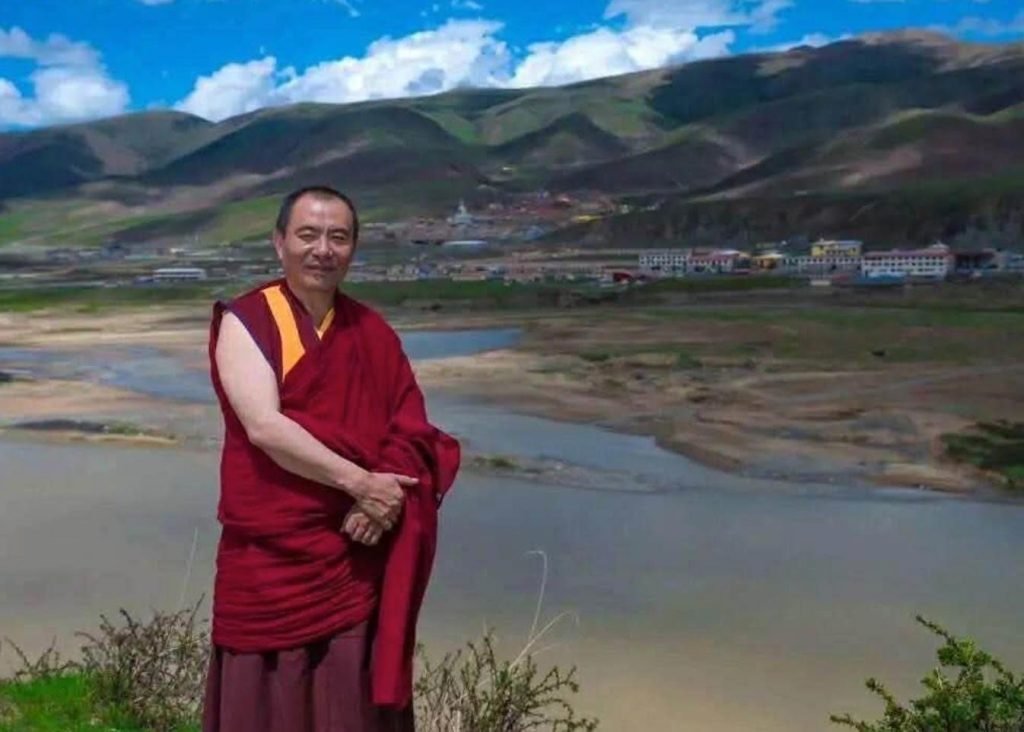

Tenzin Nyidon
DHARAMSHALA, April 23: Amnesty International on Monday issued an urgent appeal to Chinese authorities seeking clarity on the fate and whereabouts of Tibetan religious leader and educator Choktrul Dorje Ten Rinpoche, who has reportedly been missing since December 2025 following his detention in Qinghai province.
In an appeal letter addressed to Wu Xiaojun, Secretary of the Qinghai Provincial Committee of the Chinese Communist Party, the rights group expressed “grave concern” over the continued lack of information regarding the detained lama, who is known for his contributions to religious and vocational education in Tibet.
Choktrul Dorje Ten Rinpoche was taken into custody on or around December 4, 2025, in Chikdril (Chinese: Jiuzhi) County, located in Golog (Guoluo) Tibetan Autonomous Prefecture. Since his reported detention, authorities have disclosed almost no information about his legal status, place of detention, or the charges, if any, against him. He is recognized as a prominent religious and educational figure in the region, having founded both a monastery and a vocational school that supports local Tibetan communities.
The organization noted that by January 2026, individuals monitoring the case received informal indications suggesting that the Tibetan leader was “under investigation.” However, there has been no official confirmation, and it remains unclear whether he has been granted access to legal counsel of his choosing or permitted contact with his family.
Amnesty International warned that the prolonged incommunicado detention of the religious figure raises serious concerns under international human rights law. Such conditions, the group emphasized, place detainees at heightened risk of torture and other forms of ill-treatment, while also violating fundamental legal protections.
Further compounding concerns, reports indicate that individuals with knowledge of the case have been cautioned by local authorities against sharing information. Amnesty International described this as part of a broader pattern of information suppression and intimidation, which has been documented in similar cases across China. The organization stated that such actions undermine transparency and obstruct independent scrutiny.
In its appeal, Amnesty International called on Chinese authorities to immediately disclose credible information about his whereabouts and legal status. The organization urged that he be released unless there is sufficient evidence that he has committed a recognizable criminal offence under international law.
Pending his release, Amnesty further demanded that authorities ensure he is protected from torture and ill-treatment, and that he be granted regular access to a lawyer of his choosing as well as to his family. The group also called for an end to intimidation and restrictions imposed on his relatives and others seeking information about the case.
The appeal notes growing international concern over enforced disappearances and the treatment of Tibetan religious figures under Chinese governance, with rights groups and observers who view the case as emblematic of ongoing restrictions on religious and cultural figures in Tibet. Rights organizations, including international human rights bodies, have repeatedly expressed concern about the situation in Tibet. In his February 2026 update to the Human Rights Council, the UN High Commissioner for Human Rights noted the lack of progress in implementing previous recommendations concerning the rights of Tibetans and other affected communities.

