

By Choekyi Lhamo
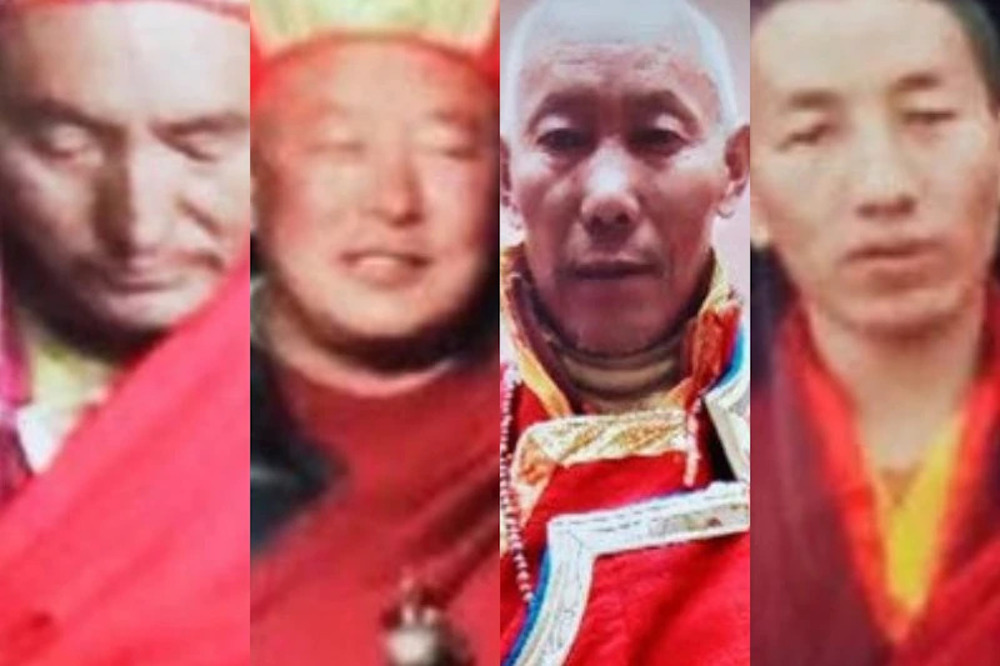
DHARAMSHALA, July 7: A comprehensive report published Tuesday by Human Rights Watch (HRW) revealed that four Tibetan monks from Tengdro monastery in Tingri County inside the Tibet Autonomous Region (TAR) were arrested after a violent raid at the monastery in 2019. Approximately 20 monks were detained over the incident when one of the monks, Choegyal Wangpo, mistakenly left his phone at a café in Lhasa, which reportedly contained WeChat messages to people in Nepal and connected them to a donation after an earthquake relief effort.
The identified monks are Choegyal Wangpo, 46; Lobsang Jinpa, 43, deputy head of the monastery; Ngawang Yeshe, 36; Norbu Dondrub, 64, caretaker of the monastery. The four monks, Choegyal, Lobsang Jinpa, Norbu Dondrup, and Ngawang Yeshe were sentenced to 20, 19, 17, and 5 years in jail respectively by the Shigatse City Intermediate People’s Court. The ruling comes after about a year since they were held at Nyari prison.

Another monk named Lobsang Zoepa who was sent for re-education training eventually committed suicide, possibly as an act of defiance to the everyday humiliation faced at the centre. In Dranak village on Sept 5, the local police detained at least 20 other monks and nuns from the village, who were taken to Shelkar detention centre. HRW was only able to obtain a few names among the detained monks; Ngawang Samten, 50; Lobsang, 36; and Nyima Tenzin, 43; Tenzin Yeshe, 20; and a nun Tsewang Lhamo, approximately 25 years old.
The 69-page report noted that the “trial was held in secret and no record of it exists in China’s public database of trials and judgments, or on the official website containing videos of trials from that court. Neither was the case referred to by any media in China.” The report found no evidence whatsoever that the sentencing documents were issued to the families of the defendants or if they were allowed independent legal advice or representation in the court during the trials. Hence, no known official charges of the ‘crime’ or the evidence against them are known.
The press release conducted on Tuesday by Sophie Richardson, China Director at HRW, said that the sentencing in this case is an unprecedented step by the Chinese authorities working pre-emptively to prevent any possible subversive acts, given that sending money to a sister monastery in Nepal is not illegal under the law. “This behavior is not illegal under Chinese law. And these sentences, in our view, are unprecedented in their harshness given that they were not connected in any way to any discernibly political or illegal behavior,” she said during her opening remarks.
Richardson also pointed out that the internet connection for the region was shut off shortly after the raid was finished and hence was extremely difficult to get subsequent information in the intervening months. “[These sentences] are a function really of pressure on authorities in the region to find and punish anything that might be perceived as subversive behavior,” she elaborated on why the sequence of events turned out fatal for the monks. The raid resulted in detaining 20 monks presumably on the suspicion of having exchanged messages with Tibetans abroad, or of having possessed photographs or literature related to the Dalai Lama.
The TCHRD Director Tsering Tsomo during the press release said, “Due to historical and political reasons, Chinese authorities have been extremely vigilant to prevent and root out any signs of opposition in TAR. So, the speculative nature of this report is not only necessary, but also inevitable because this is what happens to human rights monitoring and documentation work when you have an authoritarian state, using both the secret police and high-tech surveillance to intercept private communications to intimidate and prosecute information sources and stop the free flow of information in Tibet.” The speakers cited reports of recurring news regarding arbitrary arrests of Tibetans for contacting their relatives in exile, one of the most recent being the arrest of several Tibetans in Driru for the sole charge of contacting exiled Tibetans.
As per the report, security is not an issue limited to officials in public security or national security departments: all cadres at every level have the responsibility to identify and counter threats to ‘national security’ and ‘social stability’. The main role of these officials is to prevent any unapproved information, including banning Tibetans from sending donations to projects associated with the Dalai Lama or Central Tibetan Administration. Therefore, many Tibetans have been subjected to harsh consequences as authorities wrongly interpret exchanges of funds or messages between those inside or outside Tibet, including among families, as support of activism in exile.


ང་ཚོའི་ཕ་ཡུལ་ནང་ལ་རྒྱ་དམར་ཤོག་གཞུང་ནས་ང་ཚོའི་སྤུན་ཟླ་ཚོ་ལ་མནར་གཅོད་དང་ཆོས་དང་རིག་གཞུང་རྩ་མེད་གཏོང་བ། བོད་ལུང་པའི་འཁོར་ཡུག་ལ་ཉམ་ཆག་གཏོང་བ་སོགས་བསམ་བརྗོད་ལས་འདས་པ་དེ་་ཚོར་མཁྱེན་གཟིགས་གནང་ནས་ཐབས་སྐྱོ་ལ་སེམས་འཕམ་ཤིན་ཏུ་ཆེ་བའི་གནས་ཚུལ་དེ་ཚོ་འཛམ་གླིང་མི་མང་ཡོངས་ལ་གང་ཡོང་གང་མང་བཤད་སར་བཤད་། ཡིག་ཐོག་ནས་འགྲེམས་སར་བཀྲམ་སྟེ་ང་ཚོའི་ཡུལ་དང་མི་མང་ལ་རྒྱབ་སྐྱོར་མང་ཐག་ཆོད་ཡོང་བ་གནང་དགོས་ཀྱི་འདུག ། དེ་མིན་ནང་འཁྲུག་ཤ་སྟག་དང་། ནང་ཁུལ་དམའ་འབེབས་དང་སྐྱོན་བརྗོད་གནང་ནས་བཞུགས་ན་བོད་དང་ནང་བསྟན་ལ་གནོད་པ་ལས་ཕན་པ་སྣ་གཅིག་མེད་ཁར་དེ་འདྲ་ནི་ང་ཚོའི་བསྟན་དགྲ་རྒྱ་དམར་གཞུང་ལ་དགོས་ཡག་ཡིན་པ་ཚང་མས་མཁྱེན་གསལ་རེད། ད་དེ་ནི་དགྲ་དགའ་ནང་སྡུག་ཟེར་བའི་གནས་ཤིག་ཡིན་ན་ཚང་མས་ཡིད་གཟབ་དགོས་འདུག་པས་དགོངས་བཞེས་ཡོད་པ་ཞུ། ༧རྒྱལ་བ་རིན་པོ་ཆེས་འཛམ་བུ་གླིང་གི་མི་ཚང་མ་གཅིག་པ་རེད་པས་ང་ཚོ་ཚང་མས་གཅིག་གིས་ཡོངས་ལ་ཆམ་པོ་དང་མཛའ་པོའི་ངང་ནས་གཅིག་གིས་གཅིག་ལ་ཕན་མ་ཐོག་ན་ཡང་གནོད་པ་མ་བྱེད་ཅེས་ཡང་ཡང་གསུང་གི་འདུག་ན་ང་ཚོ་བོད་མི་སྤུན་ཟླ་ཚོ་ནང་ཁུལ་ཕན་སེམས་དང་མཛའ་མཐུན་བྱེད་དགོས་པའི་གནས་ཚུལ་ཚང་མས་མཁྱེན་གསལ་དེ་ཡང་ཡང་དེ་ཐུགས་ཀྱི་དཀྱིལ་ལ་བཞག་གནང་ནས་གོམས་འདྲིས་ཡོང་བ་གནང་ན་རང་གཞན་གཉིས་ཀར་ཕན་པ་ལས་གནོད་སྲིད་པ་མིན་པའང་མཁྱེན་གསལ་རེད། དེ་འདྲ་སོང་ན་ང་ཚང་མས་གང་གཟབ་གཟབ་གནང་རོག་ཞུ།
😢😢😢😢
🙏💙🙏
This is disgusting. One day, the CCP will fall.
I can’t wait.
Free Tibet.human rights in Tibet.UNO we Tibetan need your help.