

By Tenzin Nyidon
DHARAMSHALA, Aug 29: The 2023 BRICS Summit witnessed a significant diplomatic breakthrough as Indian Prime Minister Narendra and China’s President Xi Jinping agreed to de-escalate tensions in Ladakh along the Line of Actual Control (LAC) at the Indo-Tibetan border. The agreement was reached on the side lines of the summit held in Johannesburg, South Africa. Modi addressed India’s concerns about unresolved issues along the LAC’s western sector, emphasising the importance of maintaining peace and tranquility in the border areas to stabilise relations.
This development marked the first public interaction between Prime Minister Modi and President Xi since their brief encounter at the G20 Summit in Bali the previous year. The two leaders had met during a dinner hosted by Indonesian President Joko Widodo on November 16, 2022. At the time of this earlier interaction, India characterized the meeting as a simple exchange of courtesies.
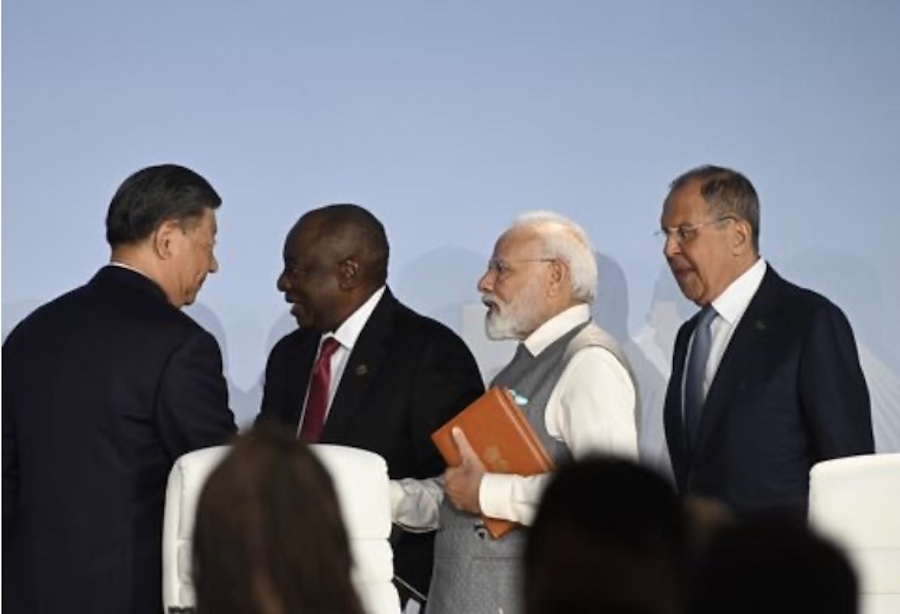
According to India’s Foreign Secretary Vinay Kwatra, who spoke during a media briefing in Johannesburg, “In a conversation with Xi Jinping of China, Prime Minister Modi underlined that the maintenance of peace and tranquility in the border areas and observing and respecting the LAC are essential for the normalisation of India-China relationship.”
The Chinese embassy in New Delhi also released a statement on the meeting, stating, “The two sides should bear in mind the overall interests of their bilateral relations and handle properly the border issue so as to jointly safeguard peace and tranquility in the border region.”
The 19th Corps Commander-level talks conducted at the Chushul border meeting point in Eastern Ladakh from August 14-15 between the armed forces of India and China followed a pattern consistent with previous rounds of dialogue. The outcome of these talks did not result in a significant breakthrough regarding the disengagement of troops on either side although the talks were characterised as “positive, constructive, and in-depth” in the joint statement released after the discussions.
“They agreed to resolve the remaining issues in an expeditious manner and maintain the momentum of dialogue and negotiations through military and diplomatic channels. In the interim, the two sides agreed to maintain the peace and tranquility on the ground in the border areas,” the joint statement read.
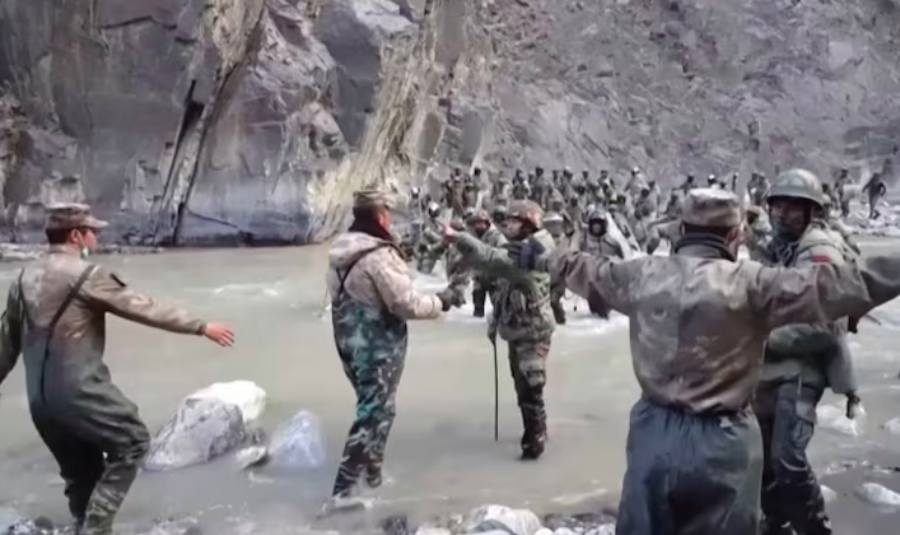
The border tensions between India and China have a longstanding history at the Line of Actual Control (LAC), a loosely demarcated areas along the Indo-Tibetan border, has been a recurring source of disputes and occasional skirmishes. The brutal clash at Galway Valley in June 2020, which resulted in the unfortunate loss of 20 Indian soldiers and at least four Chinese troops, led to each side deploying nearly 60,000 troops in the region. Despite periodic efforts to resolve these tensions, the issues have persisted, leading to concerns about potential military escalation.
While the development is seen in a positive light, there are precedence where follow up efforts, particularly from the Chinese side, lacked genuine commitment to bring stability and peace.


Never trust china
It is a gospel truth never to trust Chinese, who always looks for the opportune time to stab from the back.
ཡག་པོ་འདུག