

Tenzin Nyidon
DHARAMSHALA, Aug. 11: India on Tuesday rejected China’s latest objections over Arunachal Pradesh, reiterating that the north-eastern state is an “inalienable and integral part of India” and that attempts by Beijing to challenge its status cannot alter the reality on the ground.
The Ministry of External Affairs (MEA) spokesperson Randhir Jaiswal made the remarks after Chinese state-affiliated experts sharply criticised New Delhi’s move to officially identify 27 geographical features in Arunachal Pradesh by their Indian names on its maps. The move comes against the backdrop of Beijing’s repeated efforts in recent years to assign Chinese names to places in the Indian state.
“Arunachal Pradesh is, has been, and will always remain an inalienable and integral part of India,” the MEA reiterated, maintaining India’s longstanding position that China’s territorial claims over the state are untenable.
Beijing has rejected India’s latest naming exercise, calling it “illegal, null, and void” and asserting that the region forms part of what Beijing refers to as “Zangnan”, or southern Tibet, based on its colonial occupation of Tibet. Chinese authorities have called India’s move an act of “self-deception,” stating it “runs counter to the improving momentum in bilateral relations and could complicate efforts to properly handle border issues.”
India, however, has consistently rejected China’s practice of assigning Chinese names to locations in Arunachal Pradesh, maintaining that changing nomenclature cannot alter territorial realities. In response to an earlier Chinese naming exercise, the MEA said that assigning “invented names” to places in the state would not change the fact that Arunachal Pradesh is an integral and inalienable part of India.
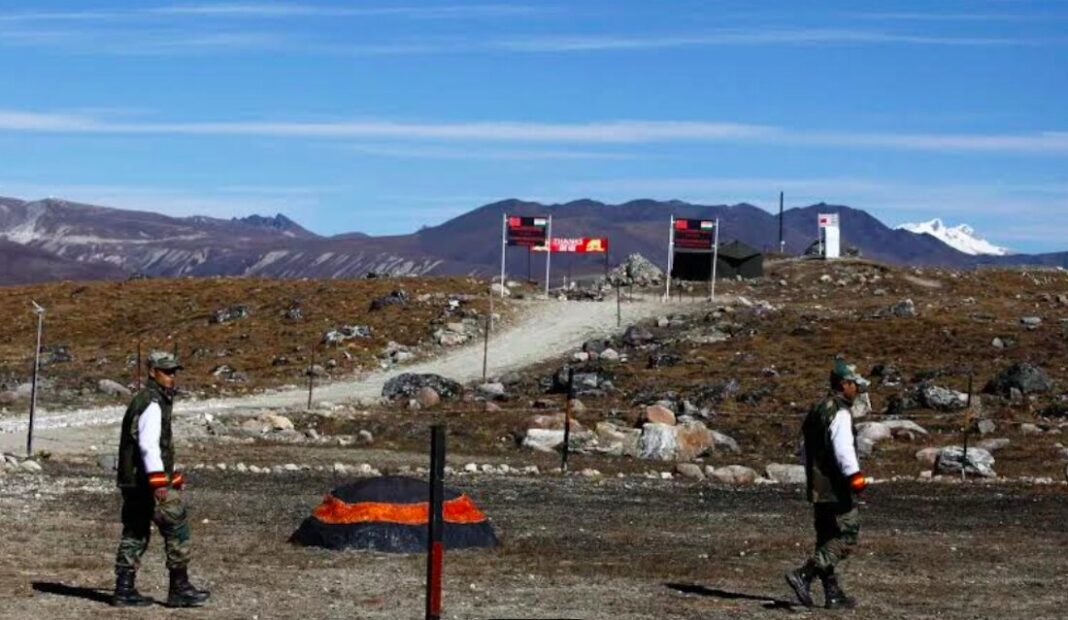
The latest exchange comes as New Delhi and Beijing seek to consolidate a fragile improvement in bilateral relations following years of tensions along the Line of Actual Control (LAC). Arunachal Pradesh remains a major fault line in the unresolved India-China boundary dispute, with Beijing claiming around 90,000 square kilometres of territory in the state. India firmly rejects the claim and maintains sovereignty over the entire state.
New Delhi’s decision to standardise the names of 27 locations, including geographical features and places associated with the region’s military history, represents another assertion of its territorial and administrative position.

