
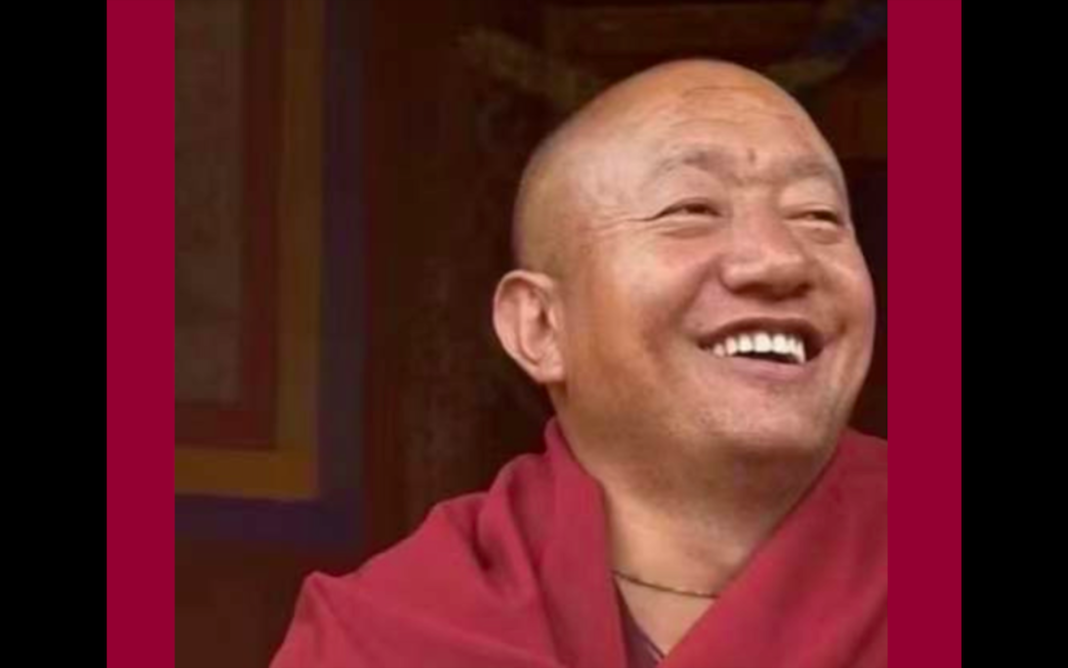

Tenzin Nyidon
DHARAMSHALA, Aug. 7: Gonpo Tsering, 46, an administrator at Yena Monastery in Derge, Sichuan Province (Tibetan area of Kham) who was detained during protests against China’s controversial Kamtok hydropower project in eastern Tibet remains in critical condition more than two years later after allegedly suffering severe torture while in Chinese custody, according to new information released by the Washington-based International Campaign for Tibet (ICT).
He is undergoing treatment at West China (Huaxi) Hospital in Chengdu. He remains bedridden, cannot speak or stand, and is being kept alive through a feeding tube. Family members reportedly say he no longer recognizes those around him and remains largely unresponsive.
The advocacy group also reported that Chinese authorities have placed the hospital under tight surveillance. Access to Gonpo has been heavily restricted, visitors are closely monitored, and those caring for him are prohibited from taking or sharing photographs or videos.
Gonpo was among more than 100 Tibetans detained during a sweeping crackdown that followed rare public demonstrations in February 2024 against the proposed Kamtok (Gangtuo) hydropower dam in Derge. The protests brought together monks and local residents who opposed the project, arguing that it would submerge villages, sacred sites, and centuries-old monasteries, including Yena and Wonto monasteries.
According to ICT, Gonpo sustained life-threatening injuries after being subjected to severe physical abuse while in detention. He was later transferred to West China (Huaxi) Hospital, where he has remained in critical condition ever since. The organisation also reported that his father, Lobsang Dorjee, died in September 2025 after struggling to cope with his son’s prolonged detention and deteriorating health.
Despite the severity of his condition, Tibetan sources told ICT that Chinese authorities have provided no financial assistance for his treatment. Instead, the authorities have continued to closely monitor his hospitalization while limiting public access to information about his case.
Chinese authorities arrested more than 100 Tibetans during the February 2024 crackdown, including monks from Yena Monastery and local residents accused of organising or participating in the demonstrations.
Among them was Jamyang Lekshay, the abbot of Yena Monastery, who was later sentenced to four years in Ya’an Prison on charges of “gathering a crowd to disrupt public order.” Gonpo Tsering also received a three-year prison sentence on similar charges, although reports indicate that the severity of his injuries required emergency medical treatment before he could serve his sentence.
Although reports suggest that construction of the Kamtok Dam and the planned relocations have been temporarily suspended, ICT said Chinese authorities continue to exert pressure on local religious institutions. Monks at Yena and Wonto monasteries have reportedly been compelled to sign written pledges promising not to oppose government construction projects and to comply with official directives—measures that rights groups say aim at tightening political control over Tibetan Buddhist institutions.
The Kamtok hydropower project forms part of China’s wider plan to construct 13 dams along the upper reaches of the Drichu (Yangtze) River. Although the project received official approval in 2012 and construction began in 2018, local opposition intensified after authorities informed residents in February 2024 that relocation would proceed without adequate compensation or clear resettlement arrangements. The announcement sparked one of the largest public protests seen in the area in recent years, culminating in the mass arrests that drew international attention.

