

Tenzin Nyidon
DHARAMSHALA, Nov. 19: Nearly 1,500 Tibetan children from earthquake-affected pastoral communities in Drachen County, Nagchu, have been transferred to a boarding school in Lhasa, while displaced herders face worsening conditions as winter sets in, according to research group Tibet Watch.
The report, examining China’s response to the magnitude 7.0 earthquake that struck Drachen (Chinese: Baqen) County on October 22, raises concerns over the relocation of Tibetan children hundreds of kilometres away from their families and communities.
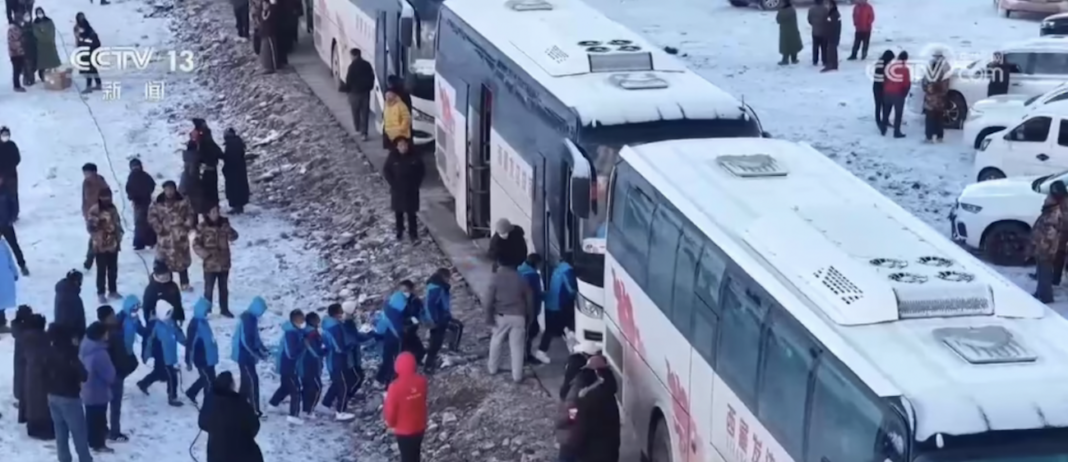
According to Chinese state media cited in the report, 1,495 students, including first- and second-graders, have been moved to Lhasa Nagchu Complete Middle School to resume classes after schools in the worst-affected townships of Maru and Gangchen sustained damage. While authorities have described the arrangement as a temporary relocation of classes, no official clarification has been provided on when the children will be allowed to return home.
Tibet Watch also raised concerns over the circumstances surrounding the children’s relocation, noting that schools across the wider earthquake-affected region had resumed in-person classes locally or shifted to online learning, while the children from the two affected schools were transferred to Lhasa. The report further documents restrictions imposed on Tibetans attempting to assist earthquake-affected communities, alongside a crackdown on those discussing the disaster and its death toll.
According to research group, Tibetan monks and laypeople were prevented from travelling to the affected areas to provide assistance. Some volunteers who sought to enter the earthquake zone were reportedly required to sign pledges agreeing to government restrictions before being permitted to travel.
Tibetans in several areas were also detained or penalised for sharing information about the earthquake and casualty figures that differed from official accounts. In some cases, individuals were reportedly compelled to record video confessions admitting to spreading what authorities described as false information. More than ten Tibetans are being reported to have detained or penalised in different areas, including Nagchu, Sog, Lhorong and Chentsa, for discussing the earthquake online.
Meanwhile, displaced Tibetan herders are facing the prospect of spending winter in temporary shelters at an altitude of approximately 4,800 metres, with concerns over inadequate protection from extreme weather and wildlife, particularly Tibetan blue bears.
Tibet Watch said the displacement of pastoral communities from their traditional nomadic way of life into permanent settlements has contributed to increased encounters between herders and bears, as food stored in settlements attracts the animals, while also questioning the lack of transparency surrounding the earthquake’s death toll, noting that Tibetan sources believe the number of fatalities could be higher than the official figure of 16. With independent media access restricted and Tibetans facing penalties for discussing casualty figures, the actual scale of the disaster remains difficult to establish.
The research outfit said China’s response to the Drachen earthquake follows a pattern similar to the authorities’ handling of the August mudslide disaster in Kyirong, where restrictions on information and public discussion accompanied the relief response.

