
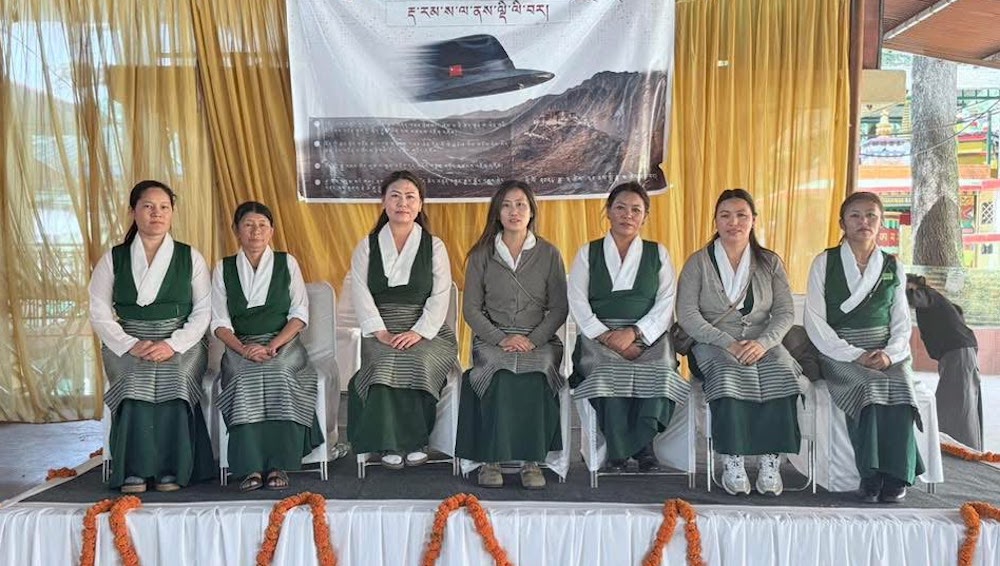

Tenzin Nyidon
DHARAMSHALA, Oct. 13: The all-women NGO Tibetan Womens’ Association has been embroiled in an internal dispute as the regional chapter of the organisation in Dharamshala has announced its collective resignation and suspension of activities following an unresolved dispute with the Central Tibetan Women’s Association (TWA) over a controversial statement welcoming Chinese President Xi Jinping ahead of his visit to New Delhi for the BRICS Summit last month.
In a joint statement released on Tuesday, the Dharamshala Regional TWA expressed profound disappointment over the Central TWA’s September 8 statement, issued alongside four other organisations at a press conference in New Delhi, welcoming Xi to India.
The regional association said the gesture was deeply troubling given what it described as China’s colonial occupation of Tibet and the suppression of Tibetan identity, language and culture under Xi’s leadership. It maintained that extending a welcome to the Chinese President was fundamentally at odds with the political realities confronting Tibetans in exile.
While reaffirming its commitment to the Middle Way Approach, the Dharamshala RTWA questioned whether the central leadership had conducted adequate internal deliberations or secured a clear decision through consensus before issuing the statement in the association’s name.
Speaking to Phayul, Dharamshala RTWA President Tenzin Kunsel said the regional members had neither been informed of the planned press conference nor consulted about the statement. She said the chapter initially convened on September 10, but as the meeting coincided with the TWA’s commemoration of the 42nd anniversary of its re-establishment in exile, members unanimously decided to defer raising the issue.
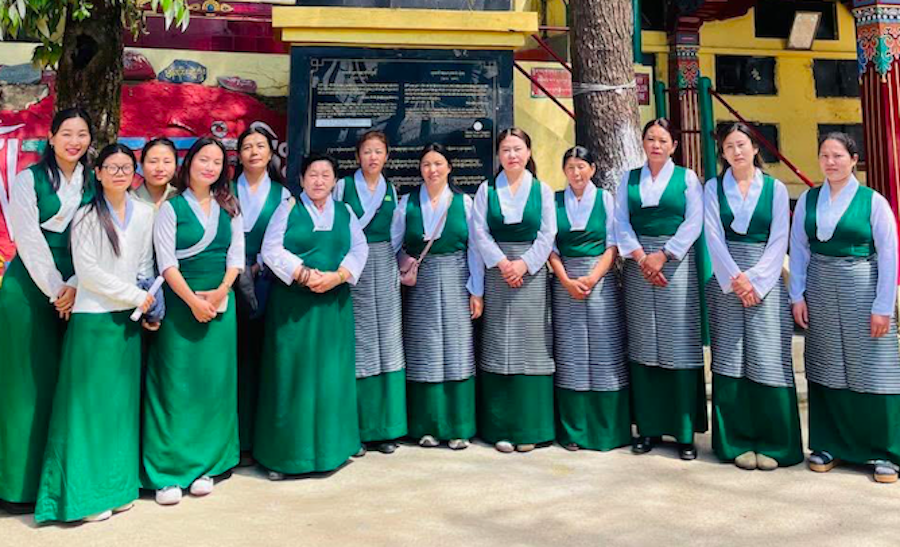
Kunsel told Phayul the regional executive members subsequently visited the Central TWA’s office five times—on September 11, September 18 (morning and afternoon), September 22 and September 24—to seek clarification and pursue a resolution. During their first visit on September 11, she said the members stressed that the statement had been issued in the name of the TWA, which comprises 59 regional chapters and approximately 21,000 members, including the Dharamshala chapter, without their knowledge or consent.
Kunsel said the central leadership initially failed to respond to their concerns, and repeated visits yielded no resolution. She added that appeals urging the Central TWA President to issue a public clarification on social media went unanswered. Instead, the President continued to defend the decision as “appropriate,” compelling the regional executive members to return official association resources, including traditional chupa attire, along with the office keys to the Central TWA office.
“With no mutually acceptable resolution forthcoming, the Dharamshala RTWA had been left with no viable alternative but to suspend its activities,” Kunsel told Phayul.
She added that the Central TWA eventually issued a written response on September 24, but the regional association considered it inadequate, saying it lacked clarity and offered neither a satisfactory acknowledgement nor a concrete resolution to the issue.
Nyima Dolma, an executive member of the Dharamshala RTWA, told Phayul that the Central TWA President responded dismissively to their concerns, accusing the regional members of failing to uphold their commitment to the Middle Way Approach rather than Tibetan independence. She alleged that the President handed them a copy of the Memorandum on Genuine Autonomy and instructed them to read it.
Nyima maintained that the Dharamshala chapter had consistently upheld the Middle Way Approach through its activities but could not, under any circumstances, endorse a statement honouring Xi Jinping. She described Xi as a central figure in policies that, in her view, seek to eradicate the Tibetan language and culture and undermine the continued existence of Tibetans as a distinct people. She said welcoming him would be tantamount to celebrating the visit of a leader whom Tibetans hold responsible for their suffering.
Nyima also spoke of the personal sacrifices involved in her commitment to the Tibetan cause, saying she had joined the TWA despite having to lose contact with her family members in occupied Tibet.
Lhakpa Dolma, Secretary of the Dharamshala RTWA, told Phayul that members had faced hostility from sections of the local Tibetan community while collecting public donations for a monument to be built at Lhagyal Ri in Dharamshala honouring the late Tibetan independence activist Lobga Rangzen. She said many Tibetans confronted the members over the ‘welcome’ statement and turned them away from their homes, apparently believing that the regional association had endorsed the gesture.
Lhakpa said the members raised these concerns with the Central TWA President but received what she described as a dismissive response. “She told us to listen from one ear and throw it out from the other ear,” she told Phayul, expressing disappointment that their concerns were brushed aside while they were undertaking public fundraising for a memorial project.
Despite the decision to suspend their organisational activities, the 15th executive committee members said they would continue working on the monument dedicated to late martyr Lobga Rangzen. They said the late activist had urged Tibetans to remain united and stressed that, regardless of differences between supporters of the Middle Way Approach and advocates of independence, the broader objective remained the Tibetan cause.
The joint statement also voiced broader concerns about what it described as a disconnect between the central leadership’s repeated emphasis on youth participation and its treatment of younger members who assume organisational responsibilities.
The Dharamshala RTWA said it was deeply disappointed that young members who assumed responsibilities with sincerity and dedication were instead subjected to treatment that risked undermining their motivation and commitment.
Phayul made multiple calls and sent messages to Tsering Dolma, President of the Central TWA, seeking a response to the allegations and clarification regarding the controversy. No response had been received at the time of publication.

