

Tenzin Nyidon
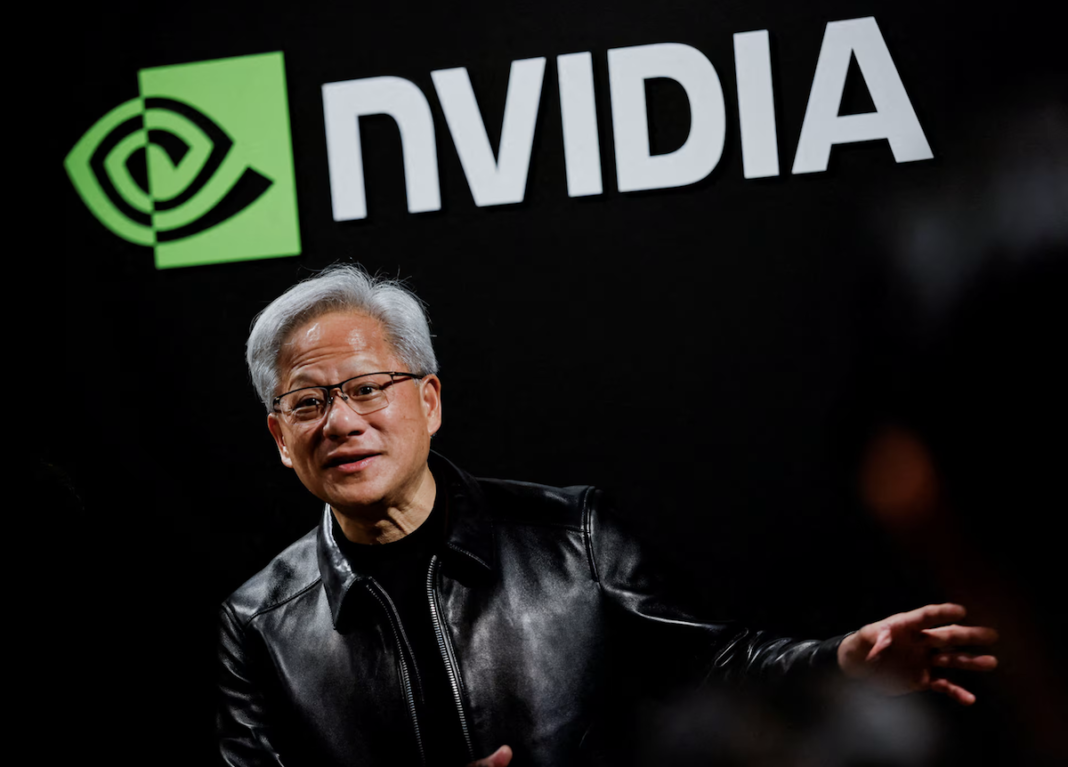
DHARAMSHALA, Nov. 13: Jensen Huang, co-founder and chief executive of US semiconductor giant Nvidia, has stepped down from his position amid a widening controversy over an alleged affair with a Chinese businesswoman suspected of having links to Beijing’s intelligence apparatus.
The dramatic departure has intensified concerns over potential Chinese espionage targeting America’s strategic technology industry, prompting congressional scrutiny of Nvidia’s security safeguards and its exposure to foreign intelligence operations.
Jensen’s departure has not diminished congressional interest in the controversy. Senior Republican lawmakers are pressing for a closed-door, transcribed briefing with the former Nvidia chief to establish the extent of his relationship with Alice Huang, a former senior executive of Singapore-based technology company Megaspeed, and assess whether the alleged association posed a national security risk.
The inquiry is being pursued by three influential House committees: the Foreign Affairs Committee, chaired by Representative Brian Mast; the House Select Committee on the Chinese Communist Party, led by Representative John Moolenaar; and the House Intelligence Committee, chaired by Representative Rick Crawford.
The lawmakers have sought Huang’s testimony on November 18, with the possibility of a congressional subpoena if he declines to cooperate. Their investigation centres on allegations that Alice Huang may have leveraged her business connections and relationship with the Nvidia chief to obtain sensitive information or facilitate Chinese access to advanced semiconductor technology restricted under US export controls.
The congressional scrutiny comes amid growing bipartisan calls in Washington to tighten restrictions on China’s access to high-performance Nvidia processors, which are critical to the development of artificial intelligence systems and advanced computing infrastructure.
US House Speaker Mike Johnson has indicated that a growing consensus is emerging in Congress in favour of restricting advanced chip exports to China. Lawmakers are also examining whether existing export-control mechanisms adequately prevent the diversion of American technology through third-party companies and overseas data centres.
At the centre of the controversy is Alice Huang, also known as Huang Le, a Chinese businesswoman who previously served as a senior executive at Singapore-based Megaspeed, a company involved in purchasing and supplying Nvidia-powered computing infrastructure.
US authorities suspect that she had connections to Chinese intelligence and may have helped facilitate Beijing’s access to advanced Nvidia chips subject to American export restrictions. Megaspeed’s business dealings have attracted scrutiny over suspected diversion of advanced computing hardware to Chinese interests. However, Beijing has denied the allegations.
Taiwan has also revoked Alice Huang’s entry permit, effectively preventing her from returning to the island. Taiwan’s Interior Minister Liu Shyh-fang confirmed the decision on November 11, saying that authorities would not have permitted her entry had they been aware of the suspected intelligence connections.
According to a Bloomberg report, Alice Huang has since returned to Beijing, where she is reportedly residing with the knowledge of security officials.

