

Tenzin Nyidon
DHARAMSHALA, Aug. 29: The catastrophic glacier collapse and ensuing flash floods that tore through the Nepal–Tibet border region have killed more than 600 people in Nepal, while the Chinese authorities have reported only seven deaths in the occupied Tibet, raising concerns over the extent to which the disaster’s full human toll on Tibetan communities can be independently established.
As of Saturday, Nepal had recorded at least 626 deaths, with nearly 2,000 people still missing. Chinese authorities reported seven deaths and 554 people missing in occupied Tibet. The disparity in the publicly reported figures has drawn particular attention because Kyirong (Gyirong) in occupied Tibet was among the areas worst hit by the catastrophic debris flow, where an enormous torrent of ice, rock, mud, and water swept through settlements before surging downstream into Nepal. The scale of destruction in occupied Tibet, however, remains difficult to assess independently.
The disaster began on August 26 after a massive collapse of bedrock and glacier in the high Himalayas sent an enormous torrent of ice, rock, mud, and debris into the Lhende River system. The torrent swept through the Kyirong border area and continued downstream into Nepal, destroying homes, roads, bridges, and other infrastructure. Satellite imagery showed extensive scars from the collapse and the subsequent flooding around the border area.
Speaking to media representatives during a prayer ceremony organised by the Central Tibetan Administration (CTA) on August 26 in Dharamshala, President Penpa Tsering expressed concern over the lack of information coming from the Chinese side. “And the Chinese government has not come out with any numbers of casualties. Just this morning, they have said three people have died, and more than 500 people have not been able to to be reached. And that’s all they have said. Even on natural disasters, they have not been transparent.”
The CTA President’s remarks came as the scale of the catastrophe was still emerging. At that stage, Chinese authorities had reported three deaths and more than 500 people missing or unaccounted for in Tibet. Subsequent reports raised the Chinese death toll to five and later seven, while the number of people reported missing remained in the hundreds.
The Washington-based rights group International Campaign for Tibet (ICT) has meanwhile cited sources from Kyirong who reported that Tibetan-owned shops, restaurants, and teahouses near the border crossing were completely destroyed and that there were reportedly numerous casualties on the Tibetan side. Yet the full human cost among Tibetans remains unclear.
Chinese state media has released a steady stream of curated images and footage showing firefighters, soldiers, rescue workers, helicopters, drones, and other emergency personnel operating in the disaster-affected areas. But these official images provide only a partial picture of a disaster unfolding in an area where independent access is exceptionally limited.
Journalists, independent researchers, scientists, and international observers have not been given unfettered access to the affected Tibetan areas to document the destruction, interview survivors, or independently assess the number of dead and missing. As a result, much of what the outside world knows about the disaster inside Tibet comes through Chinese state media, official statements, satellite imagery, and accounts from people outside the region.
This information vacuum has raised concerns among Tibet rights organisations and journalists about transparency and humanitarian access, and they are advocating for Chinese authorities to permit greater transparency in rescue and relief operations in occupied Tibet. The disparity in publicly available information has also intensified concerns over what some Tibet advocacy groups describe as an “information blackout” surrounding the disaster.
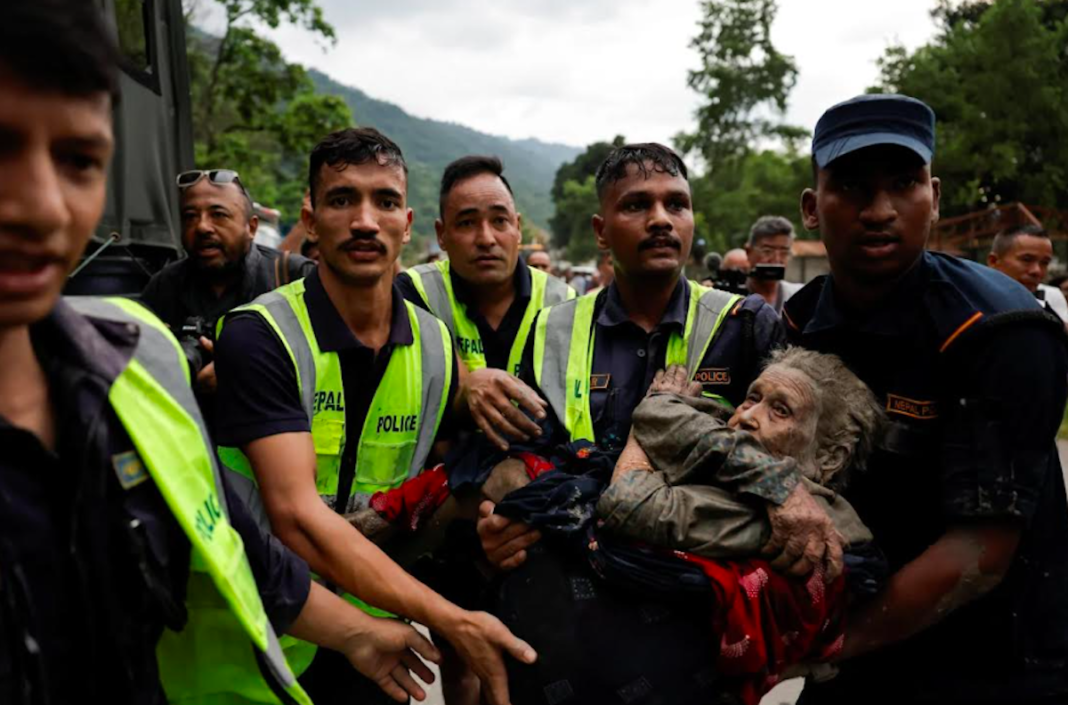
While the devastation in Nepal has been extensively documented by international journalists, photographers, rescue workers and eyewitnesses, the situation across the border remains far less visible. International media have been able to access devastated communities in Nepal and publish photographs, videos and first-hand accounts of survivors, while independent reporting from Kyirong and other affected areas in occupied Tibet has been severely constrained.

