

Tenzin Nyidon
DHARAMSHALA, Sept. 17: Members of the 18th Tibetan Parliament-in-Exile on Thursday called for greater preparedness and contingency planning for Tibetans in Nepal following the devastating August flash flood that caused extensive destruction in Nepal’s Rasuwa bordering Tibet where the Tibetan community in Gegayling settlement was severely affected.
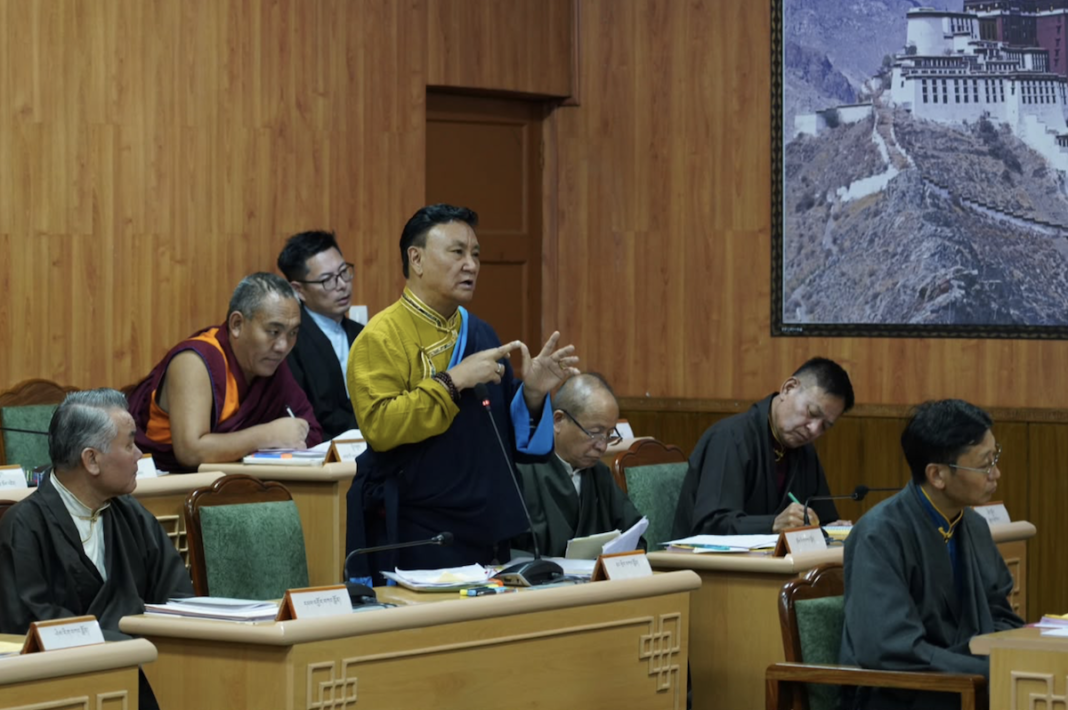
Concerns were raised during the ongoing second session of the Tibetan Parliament-in-Exile, as lawmakers discussed the disaster’s impact and the Central Tibetan Administration’s response. Parliamentarians extended condolences to families affected by the disaster and enquired about the CTA’s response, particularly plans for relief, rehabilitation, and reconstruction.
MP Tashi Dhondup specifically drew attention to what he described as a challenging political environment for Tibetans in Nepal, referring to discussions in the Nepalese Parliament and statements by former Nepalese home ministers that, according to him, included calls for the removal or expulsion of Tibetans from the country. Against this backdrop, he urged Tibetan representatives in Nepal to strengthen their preparedness and establish a coordinated mechanism for responding to future emergencies. He said local representatives of the CTA’s Department of Home had recently held meetings to assess the situation and sought updates and reports from the ground.
Responding to the MP, CTA Home Minister Palden Dhondup said the Department of Home initiated an emergency response as soon as it received information about the disaster. The department contacted its local representatives in Nepal and instructed them to assess immediate requirements and submit a financial estimate for emergency assistance. The initial estimate stood at ₹5 lakh, but was subsequently revised upward, with ₹7 lakh eventually dispatched for emergency relief.
The minister said the assistance was intended as an initial intervention, as the full scale of casualties and property damage could not be estimated immediately. “At this stage, we do not yet know exactly how many people have died or the extent of the damage to property and belongings,” he said. He added that a more comprehensive assessment would follow as information from the affected areas became available.
The Home Minister also disclosed that 14 people connected to the Tibetan community were initially unaccounted for. Of these, 11 were under the jurisdiction of a local Tibetan representative, while two boys, approximately 19 and 13 years old, had travelled from Kathmandu towards the affected area and were also reported missing. Another young man from a Tibetan settlement in southern India, who had reportedly moved to Nepal and married a Nepali woman, was likewise among those whose whereabouts were unknown. The minister cautioned against prematurely assuming that those missing had died, stressing that confirmation could take considerable time amid the scale of destruction and disrupted communications.
He said the Government of Nepal had extended rescue and relief assistance to Tibetans without discrimination, with necessary facilities made available to those affected. He said Tibetan representatives on the ground had been instructed to address immediate requirements while simultaneously developing longer-term plans for rehabilitation and reconstruction. They were also asked to identify needs for food and other essential supplies. Beyond preliminary assessments, the Department of Home plans to engage professionals to undertake a detailed evaluation of damaged houses, water-related destruction, infrastructure and other property before preparing a standardised reconstruction estimate, he said.
Minister Dhondup further said the department had received reports that some children affected by the disaster may have lost one or both parents and could face difficulties continuing their education. However, he said most of the cases identified so far appeared to concern the local Nepali population, and the department did not yet have a verified figure for Tibetan children in such circumstances. He said the information would be further cross-checked before definitive figures were released. The minister also emphasised that reconstruction should not be based solely on preliminary estimates submitted by local representatives, but should follow a systematic and professional damage assessment.
Beyond the immediate disaster response, the Home Minister’s intervention placed the flood within a wider discussion about the vulnerability of Tibetans living in Nepal. He said the CTA has been monitoring developments in Nepal closely while attempting to avoid actions that could further complicate the circumstances of Tibetans living there. The Home Minister said the Department’s approach was to continue supporting Tibetans in Nepal while recognising the political sensitivities surrounding their presence in the country.

