

Tenzin Nyidon
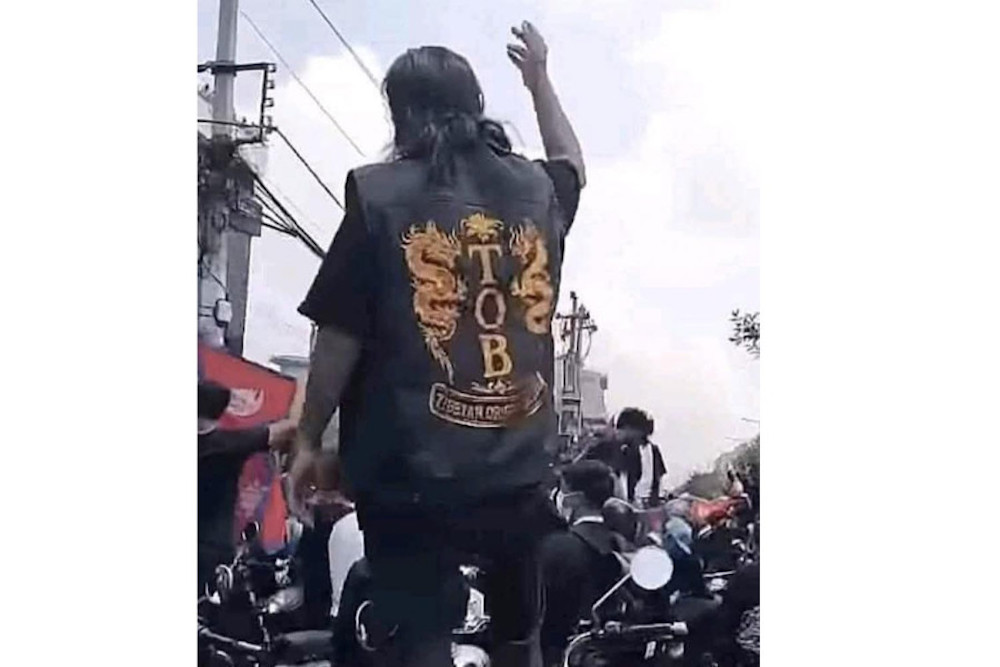
DHARAMSHALA, Nov. 26: The Kathmandu police, following a month and a half-long investigation, have concluded that the TOB group, which was falsely linked to the Free Tibet movement, has no connection to the Free Tibet movement or Tibetan political activism.
The clarification comes after increased scrutiny triggered by the group’s presence during the Gen Z protests, which also spiralled into a wave of disinformation, xenophobic hate, and death threats targeting members of the Tibetan community in Nepal. Social media soon filled with some users alleging, without evidence, that Tibetans were responsible for vandalism and violence during the demonstrations.
The TOB representative, Surendra Gurung, popularly known as Hakim, a rapper, artist, and adviser to the group stated that the group’s name stands for “The Original Brothers”, not “Tibetan Original Bloodline.” Gurung said that the group has no connections to the Free Tibet movement, any external forces, or acts of vandalism and he called the online allegations “wrong and harmful.”
The controversy deepened after a photo of a young man holding a gun, identified by local media as TOB member and artist Tenzin Dawa, went viral alongside claims that armed Tibetans had joined the protests. In a statement to Nepali press, TOB clarified that the widely circulated image was taken from a music video produced earlier this year. The gun, they said, was a plastic prop used during the shoot, not a weapon carried during the protests.
Police stated that TOB is essentially a bikers’ club formed on June 10, 2024, with 57 members who primarily ride for leisure and social activities. Investigations found no organized political or external influence, and most members considered the acronym to mean “The Original Brothers” rather than “Tibetan Original Blood.” The group’s 15 motorcycles have been taken into custody, and 26 individuals remain under observation as inquiries continue into Dawa’s alleged forgery, drug possession, and misuse of personal documents.
Despite the group’s clarifications, Nepali security agencies stated that they were “closely monitoring” claims of possible external infiltration, citing the presence of youths of Tibetan heritage in the protests. Local media reported that several individuals, including Tenzin Dawa, were detained for questioning as part of the ongoing probe.
Observers have raised concerns that the rapid escalation of online accusations has created a hostile environment in which Tibetans are presumed guilty based solely on their ethnicity, mobility, or cultural identity.
Members of Nepal’s Tibetan community, already living under heavy restrictions due to Kathmandu’s political sensitivities with Beijing, say the incident has deepened their sense of insecurity. Tibetans in Nepal are legally barred from political activities and face frequent restrictions on cultural events, public gatherings, and travel documentation. Community members say the misinformation campaign now risks framing them as agitators in a domestic political movement they were not part of.

